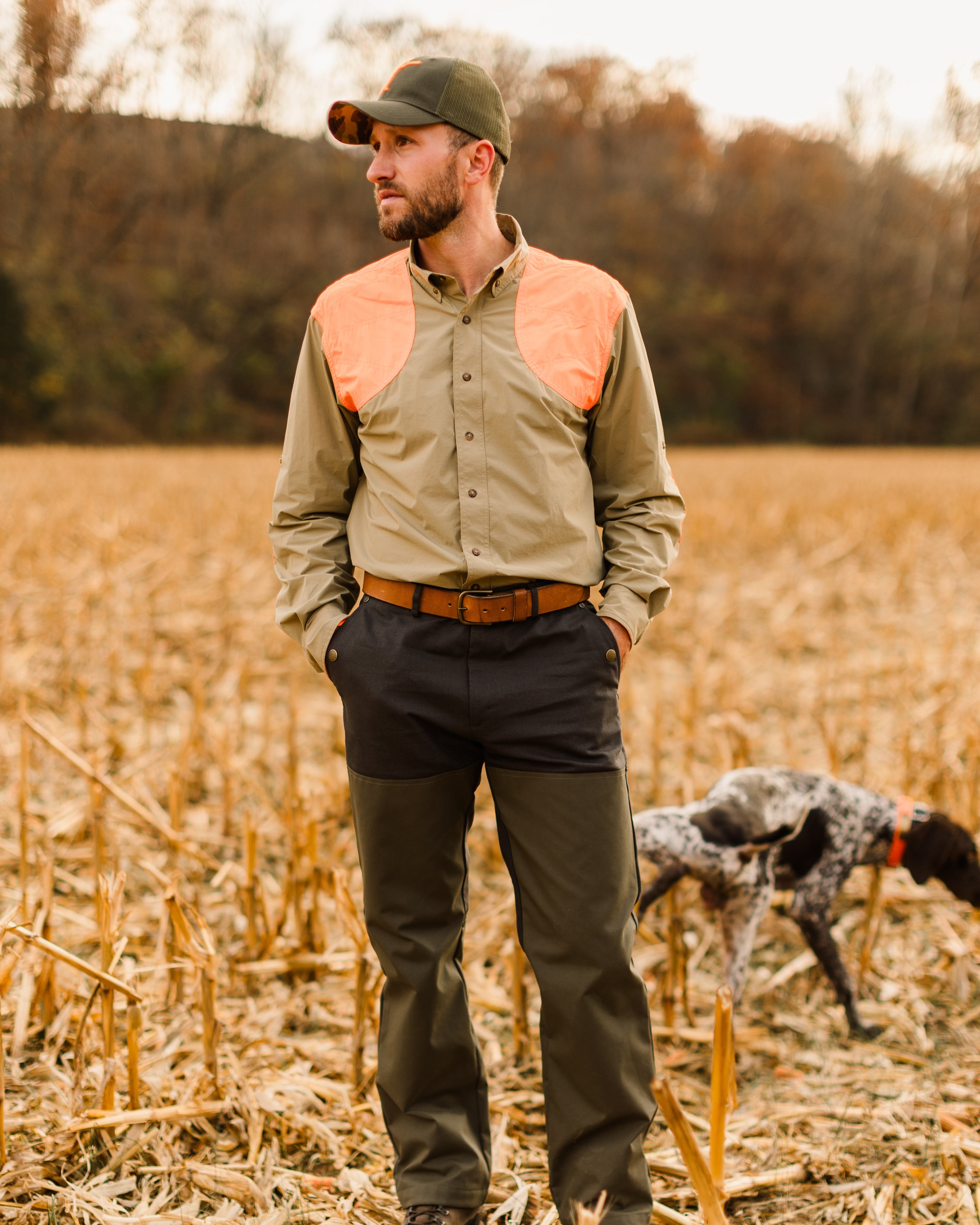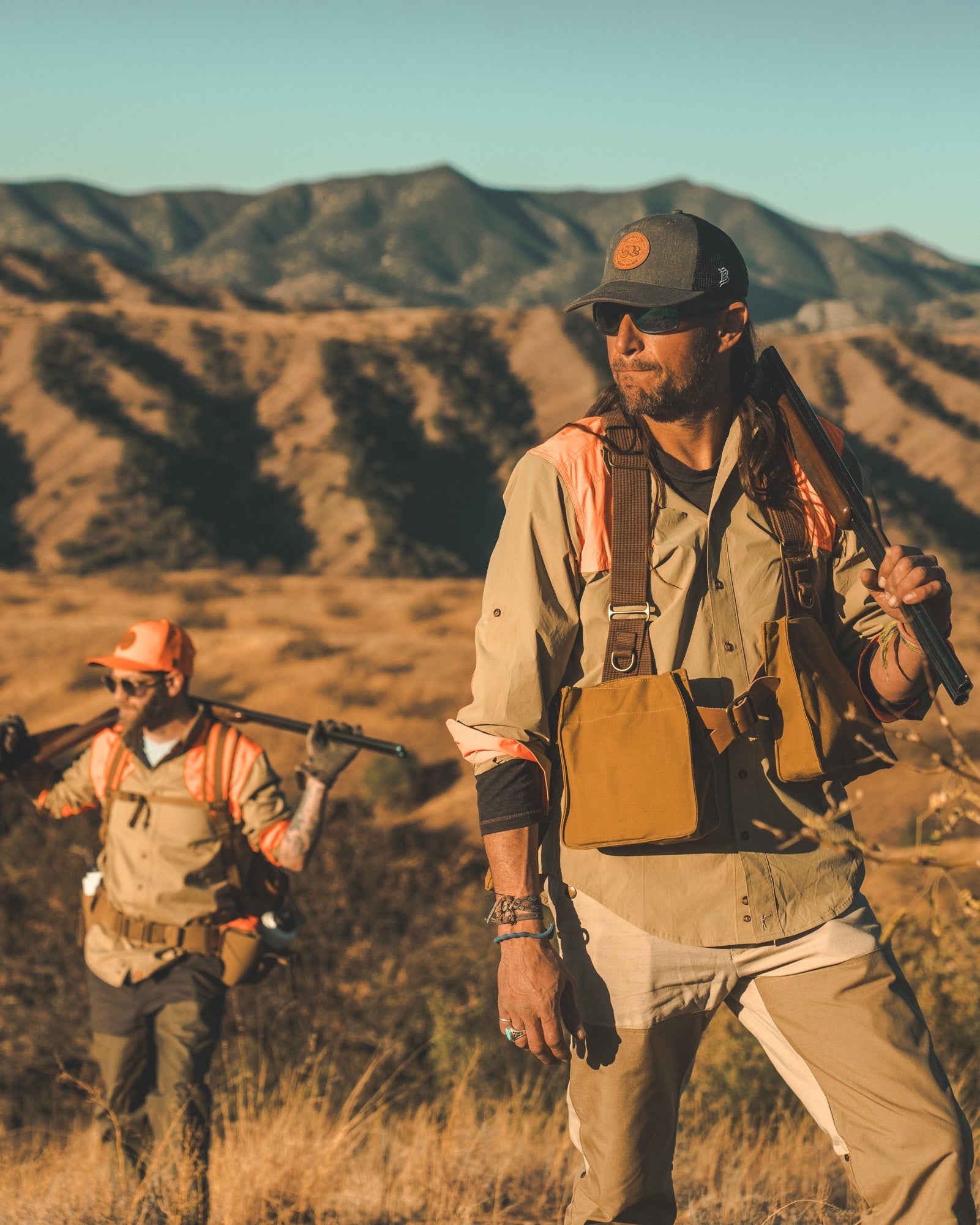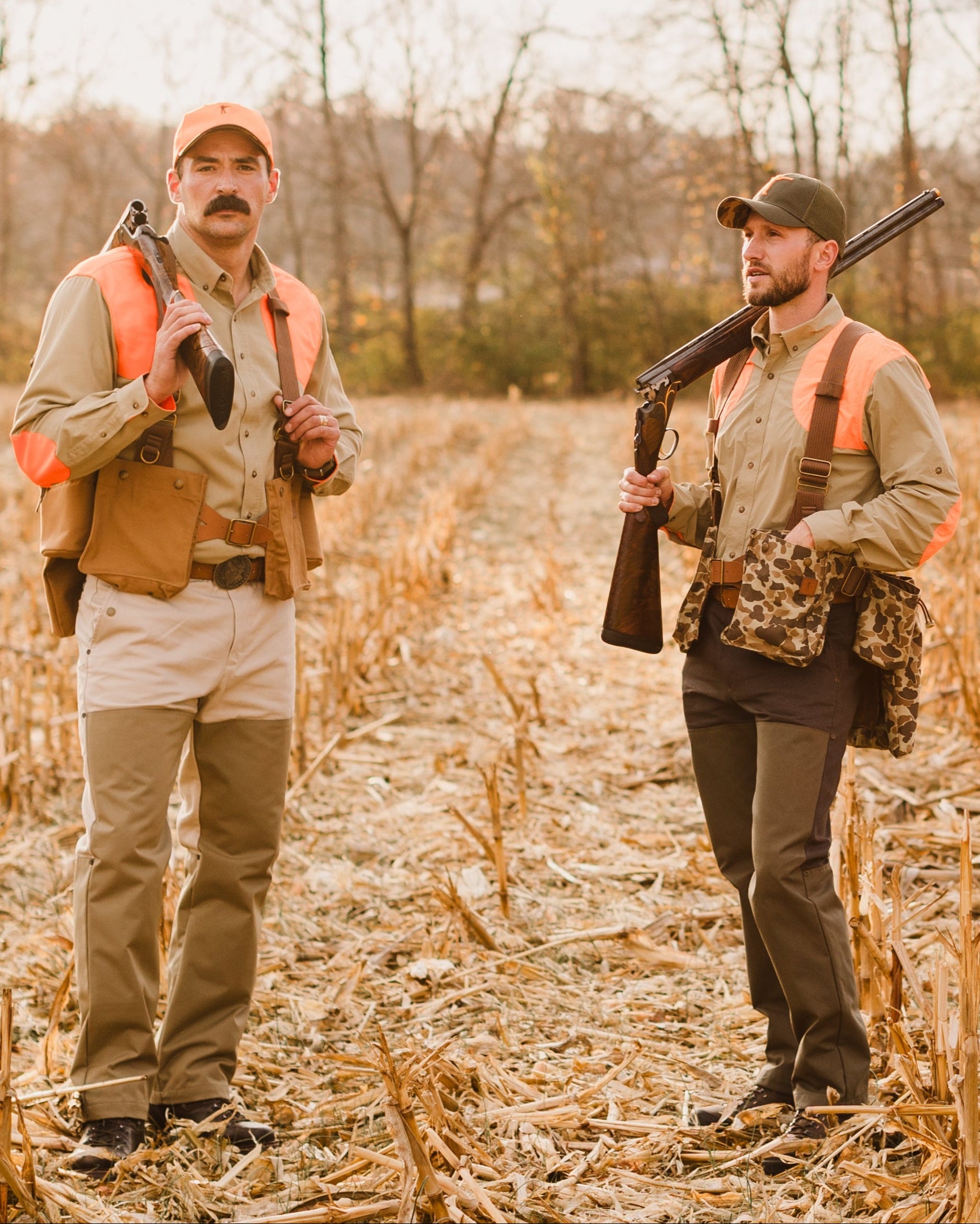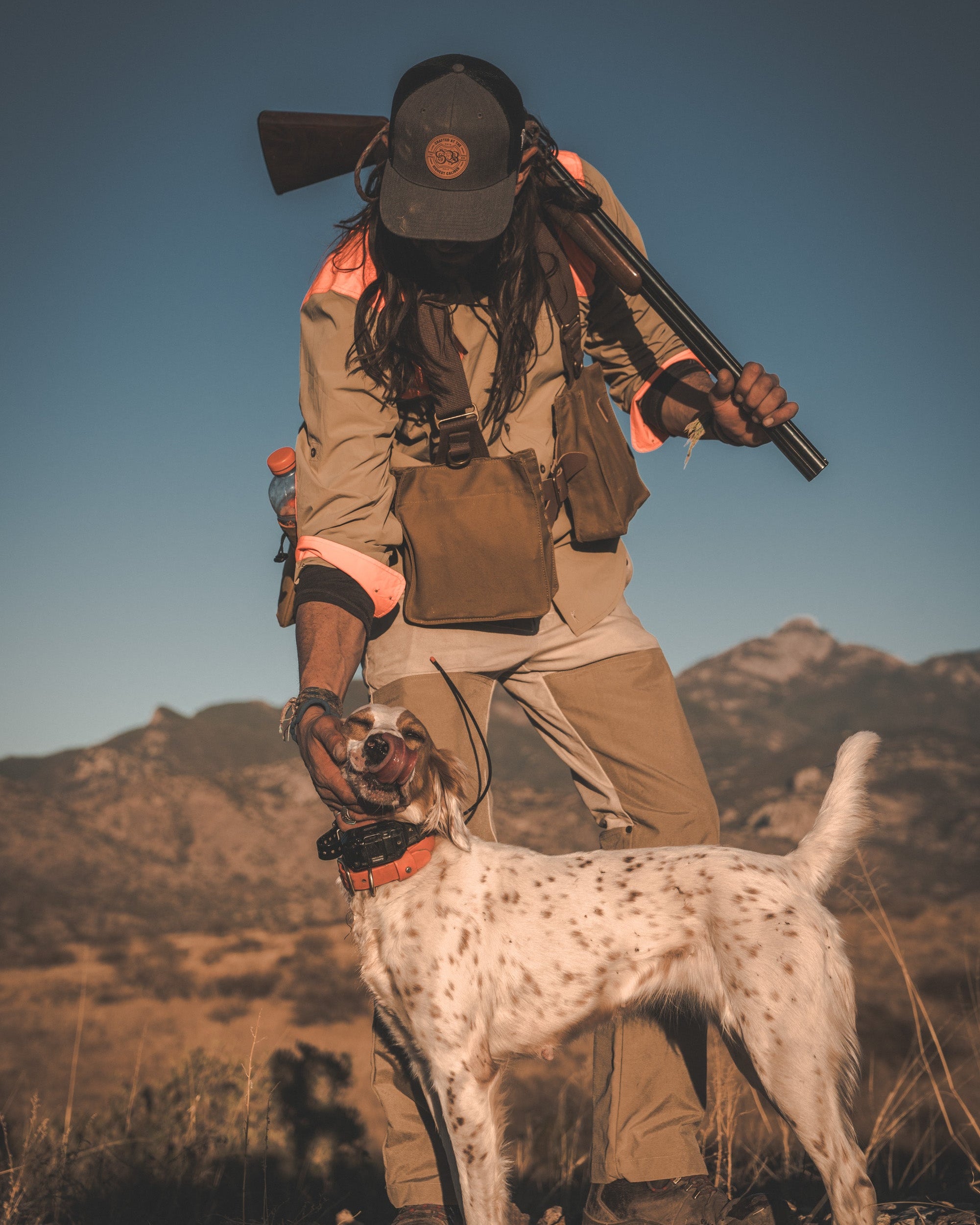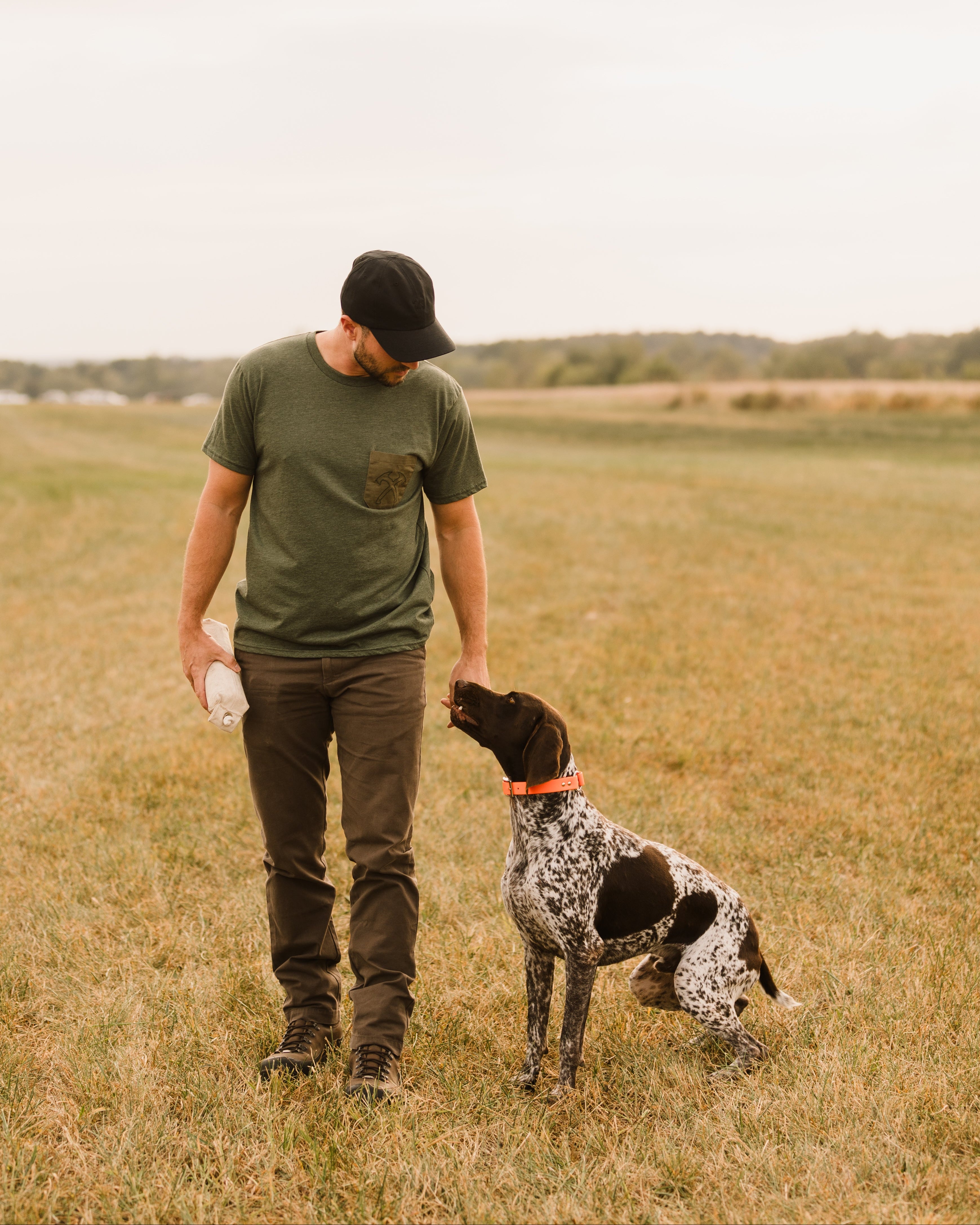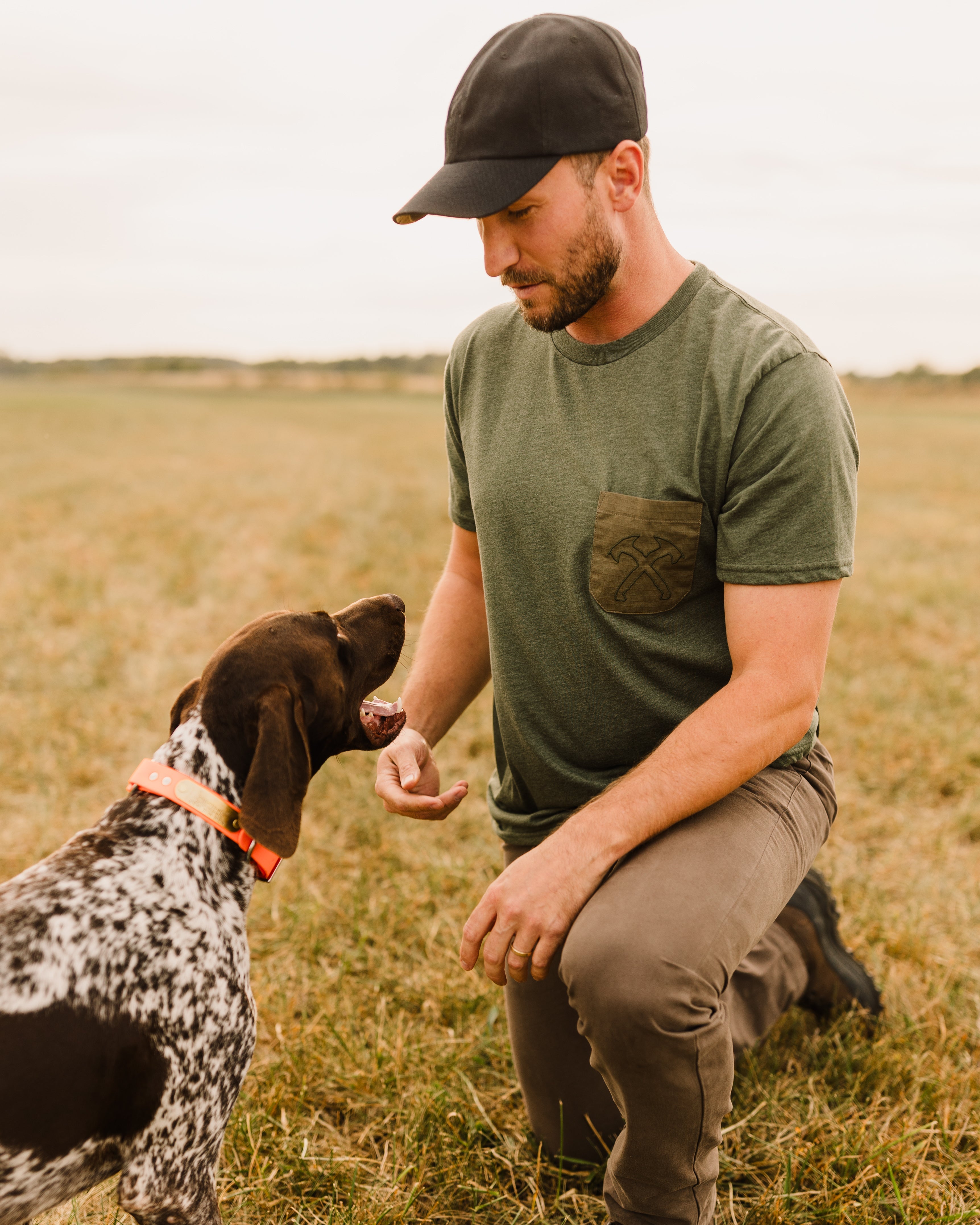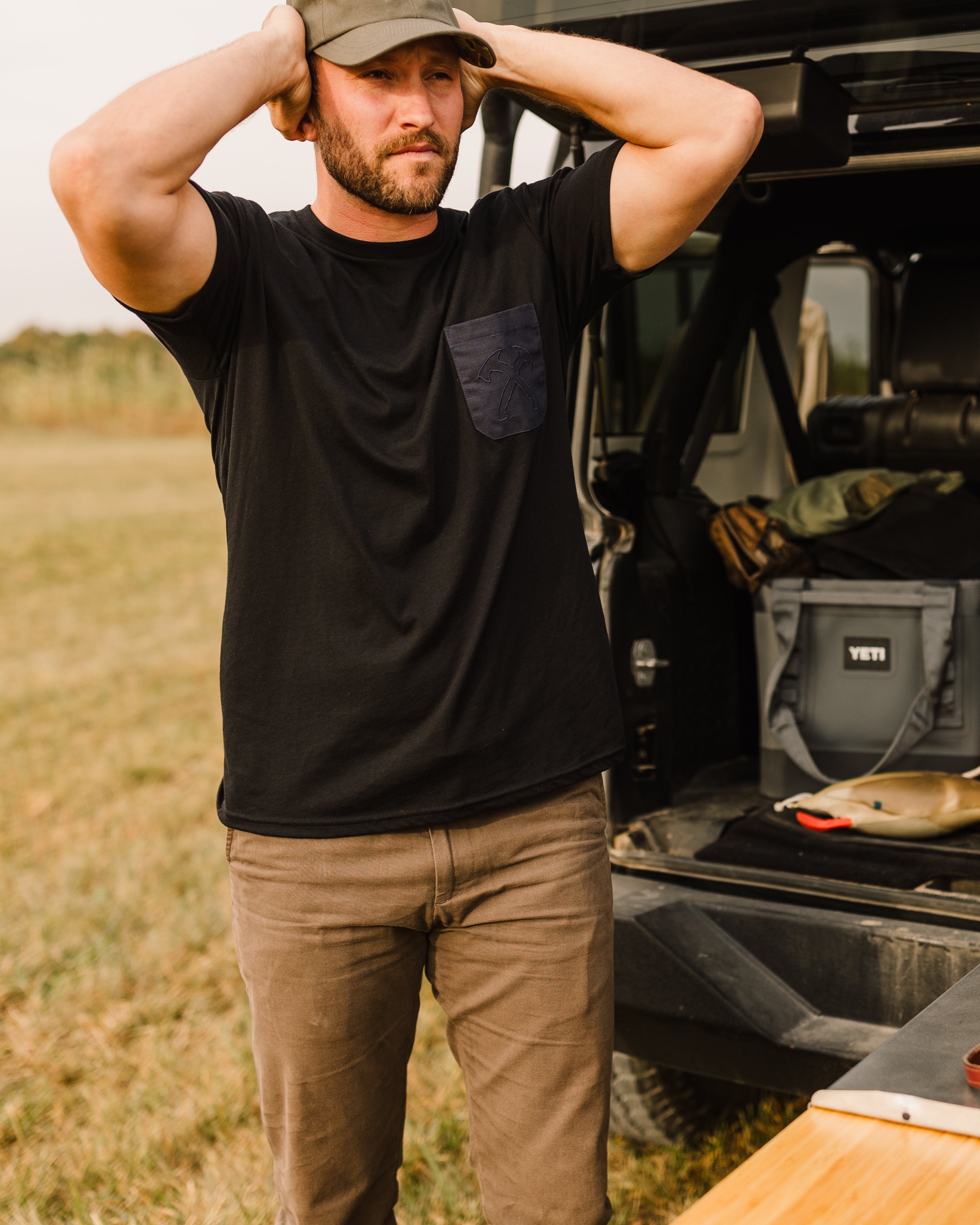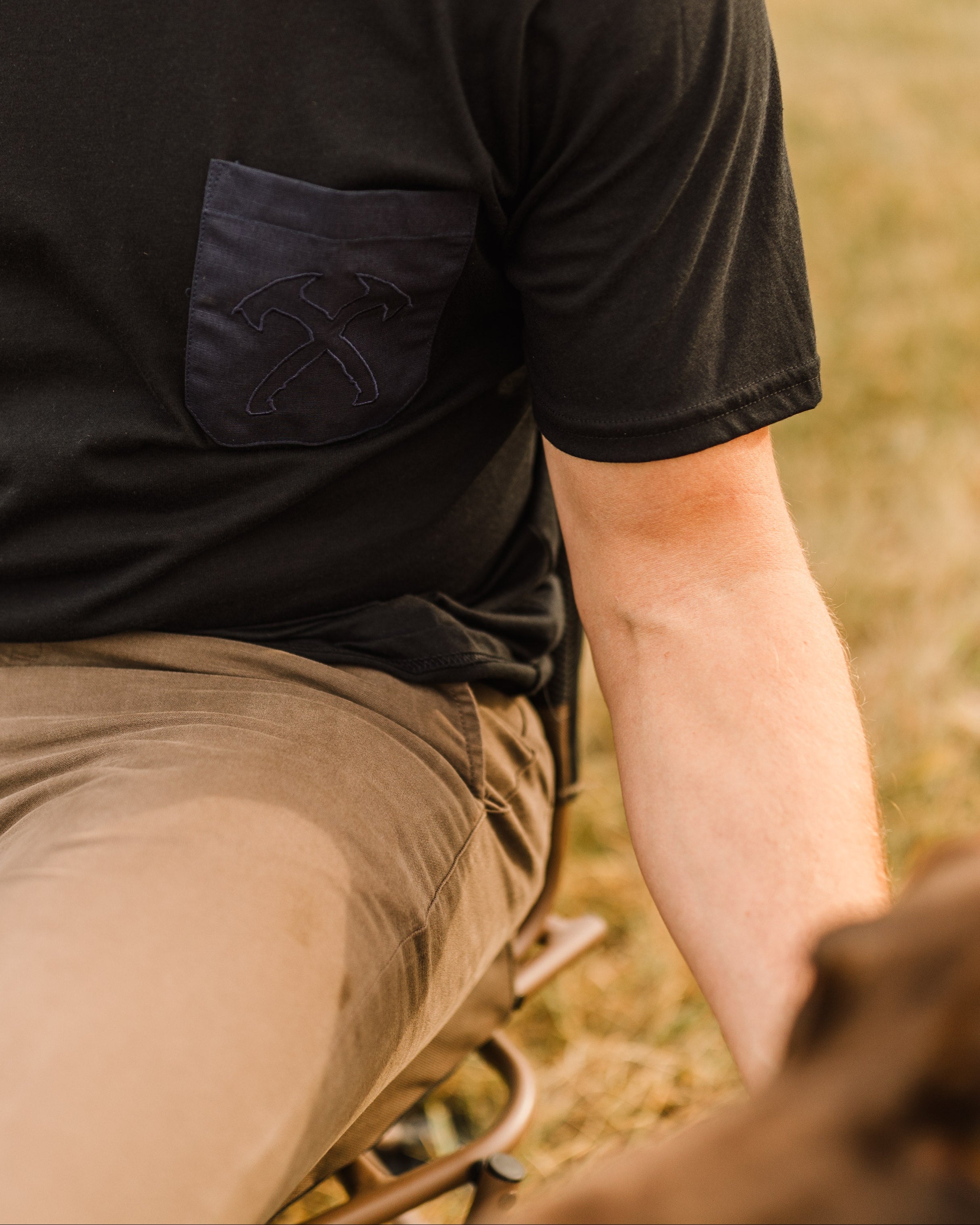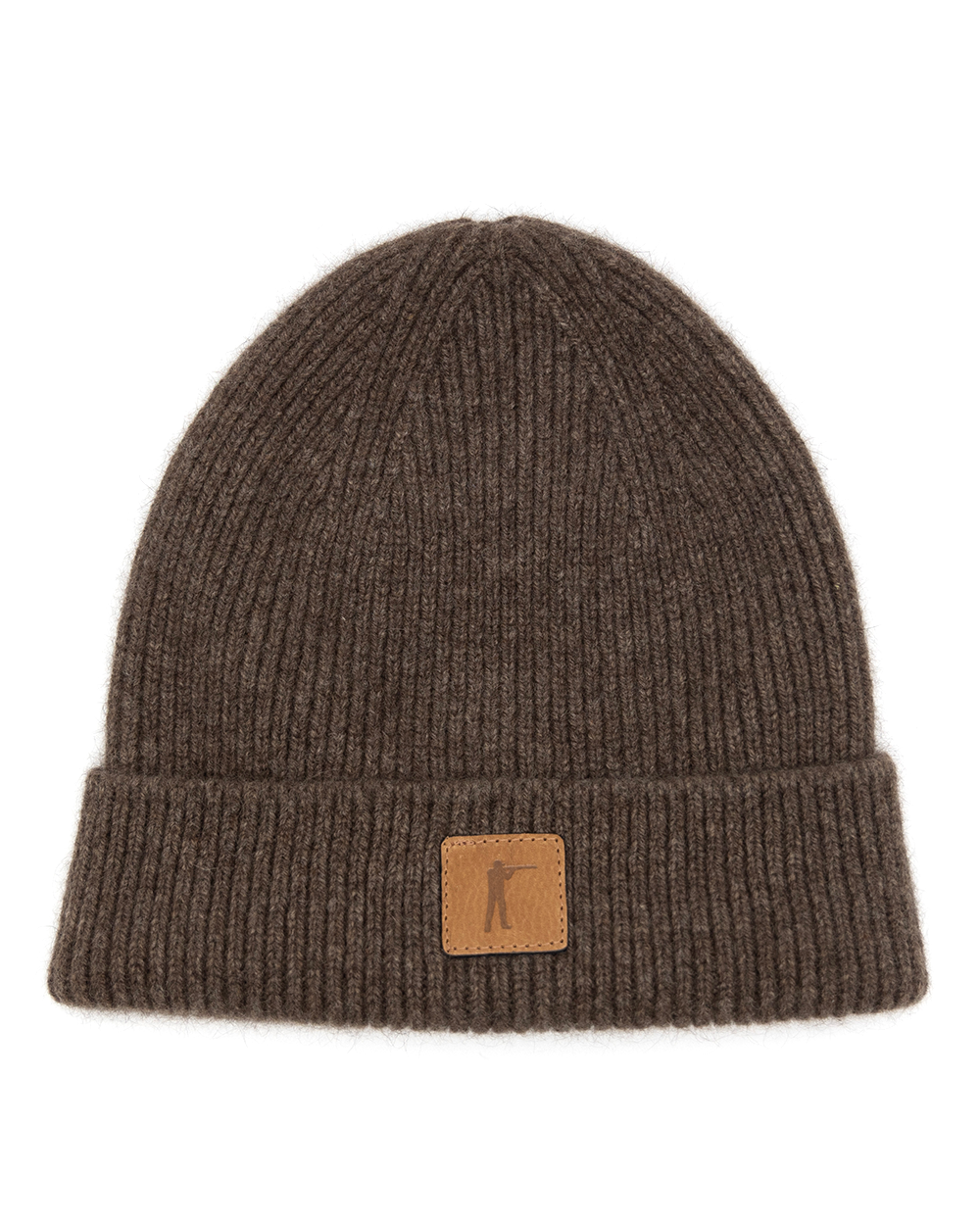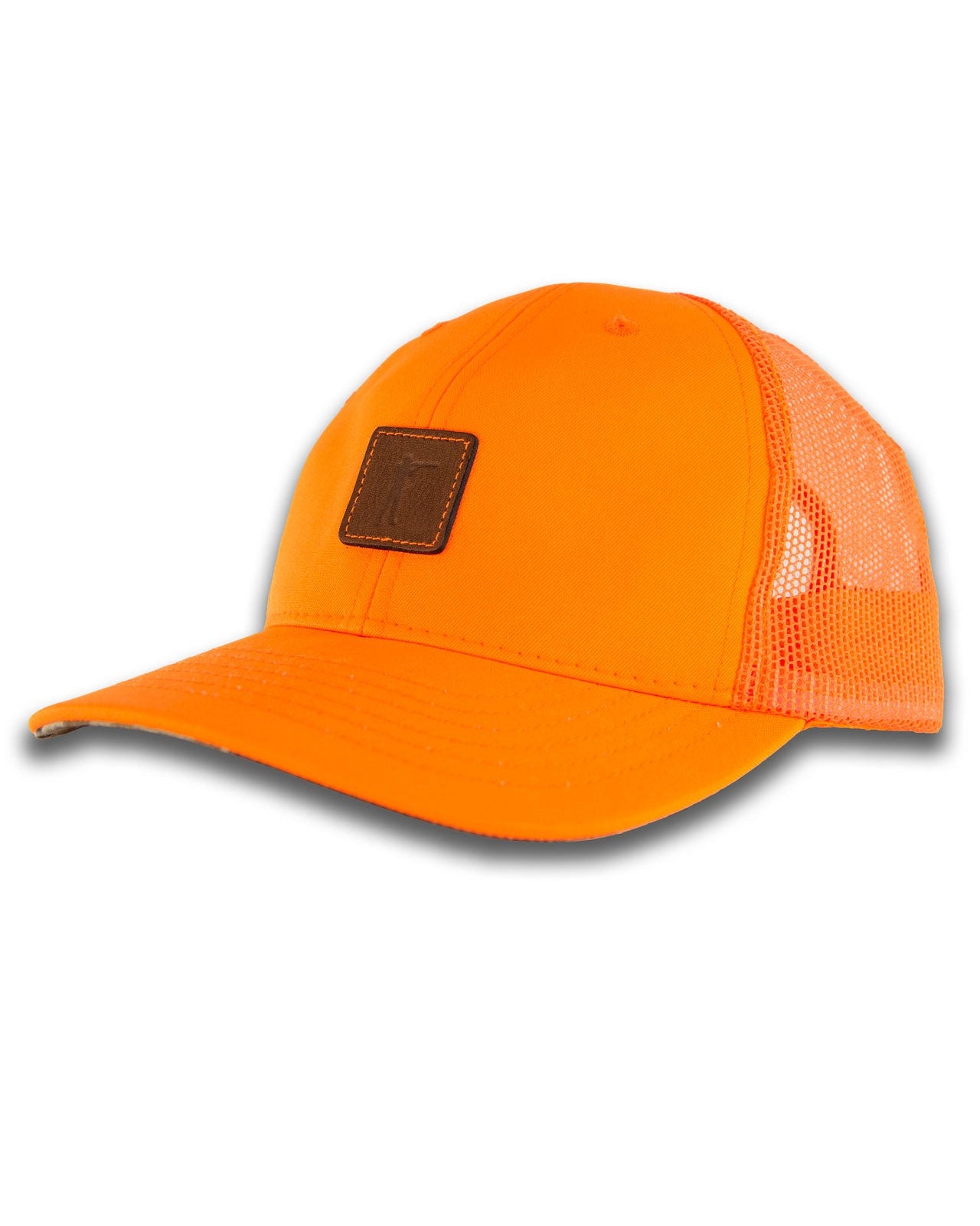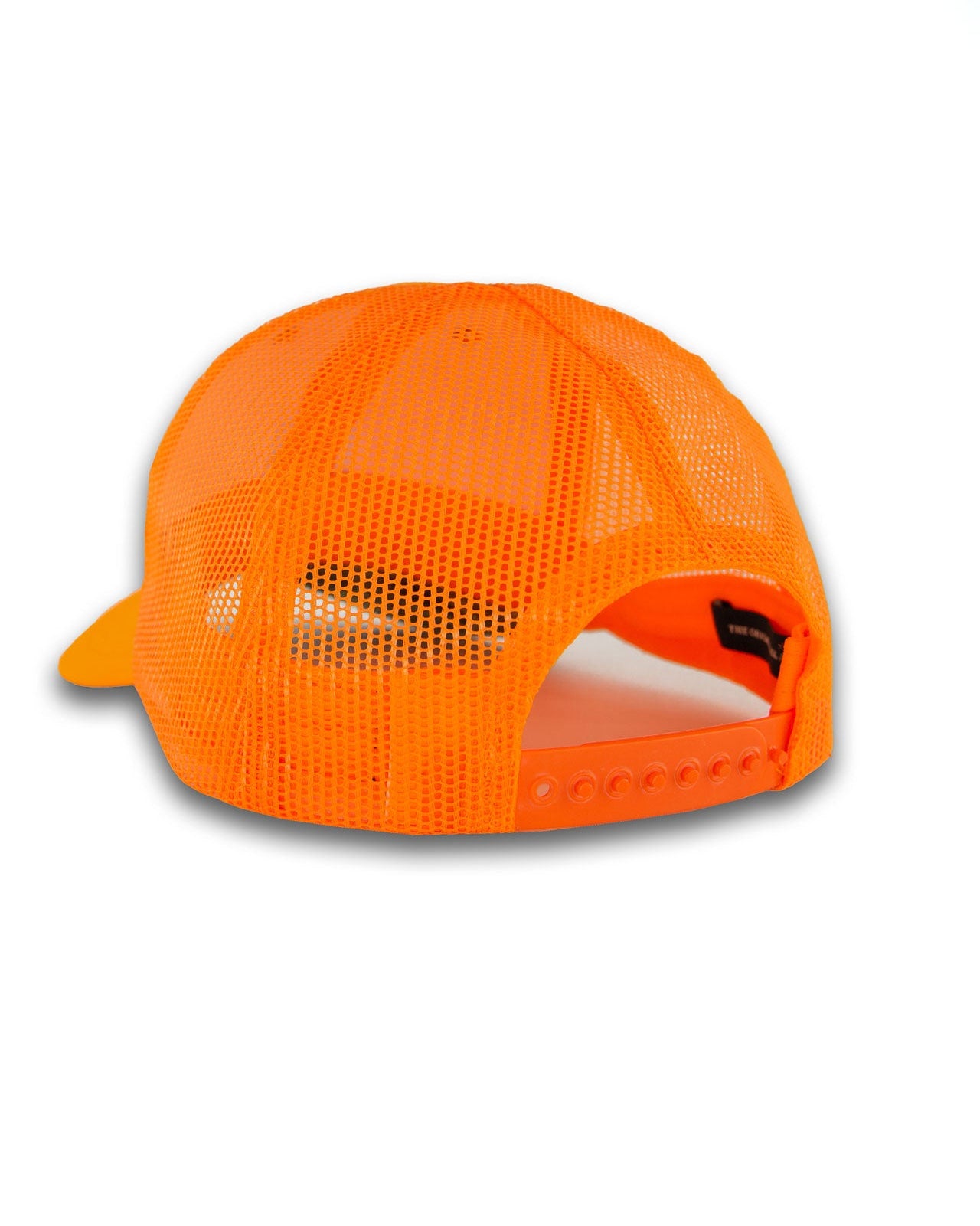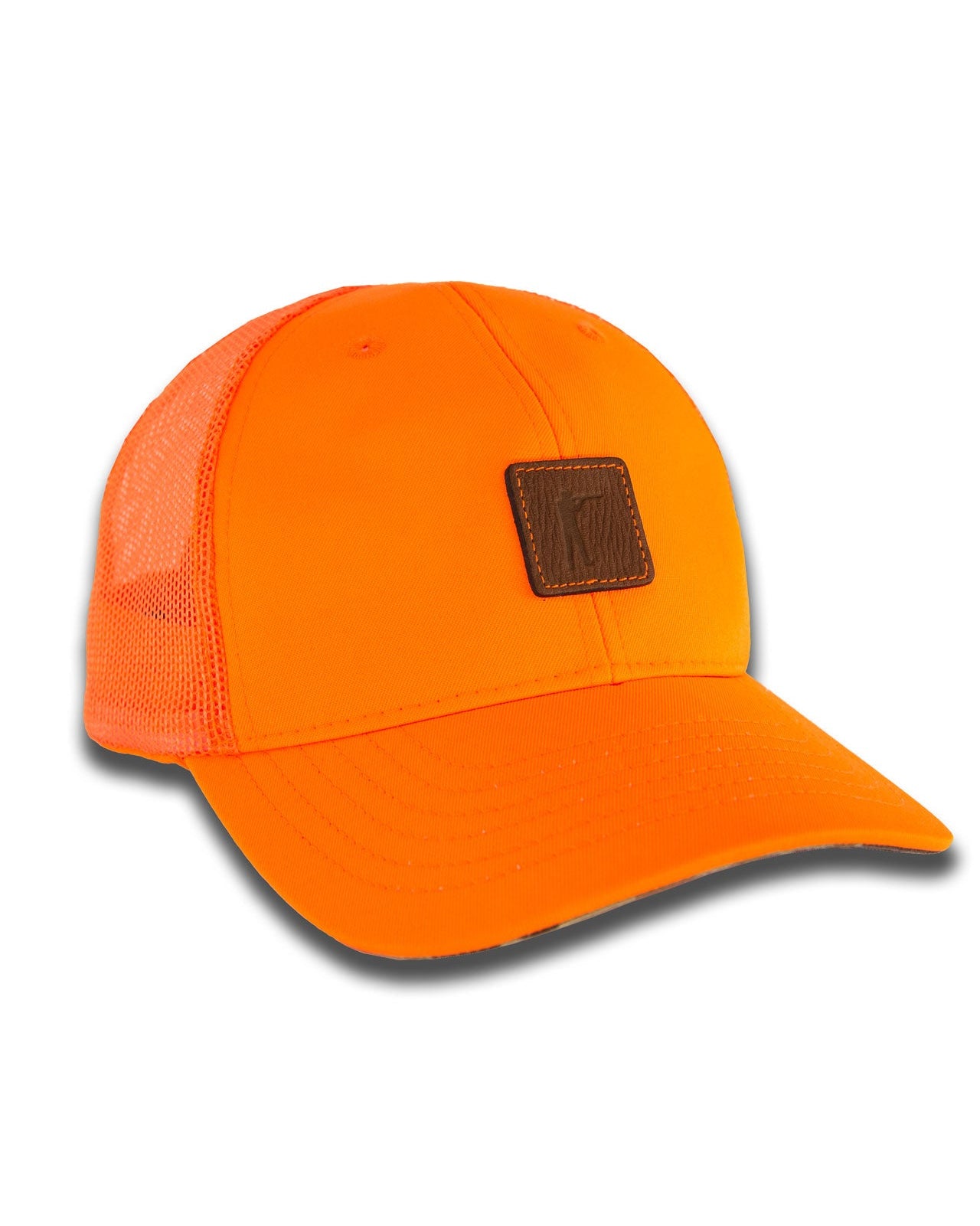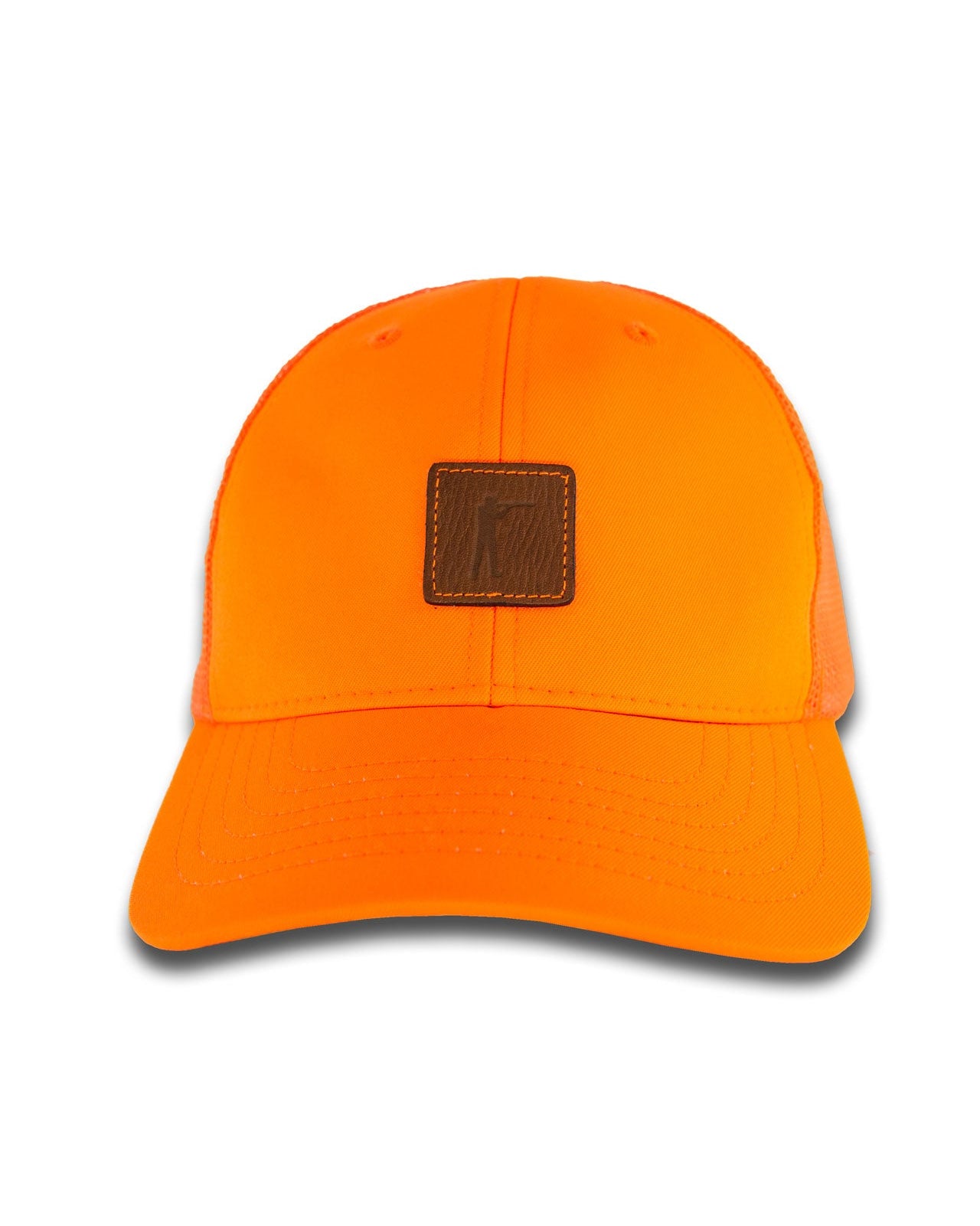


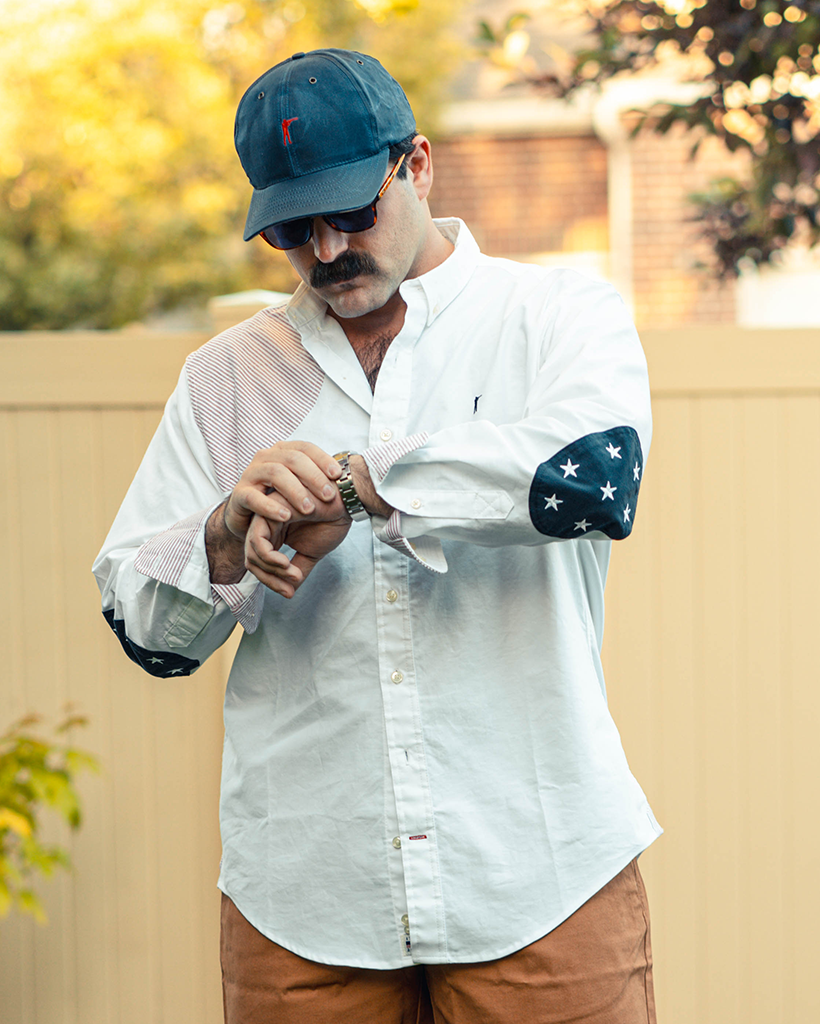


The Country Was Made to Be Walked
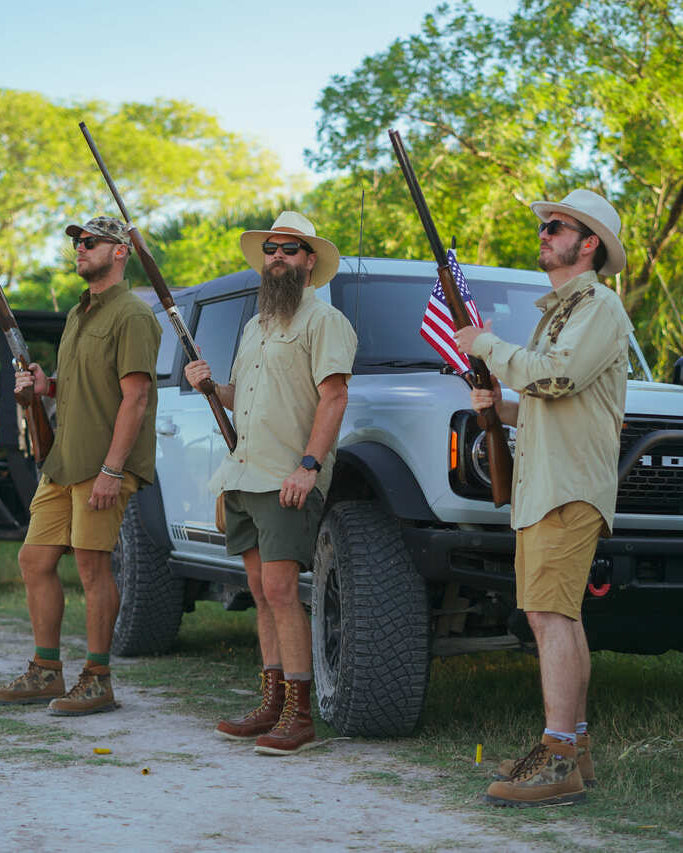
There is a kind of American who cannot be still.
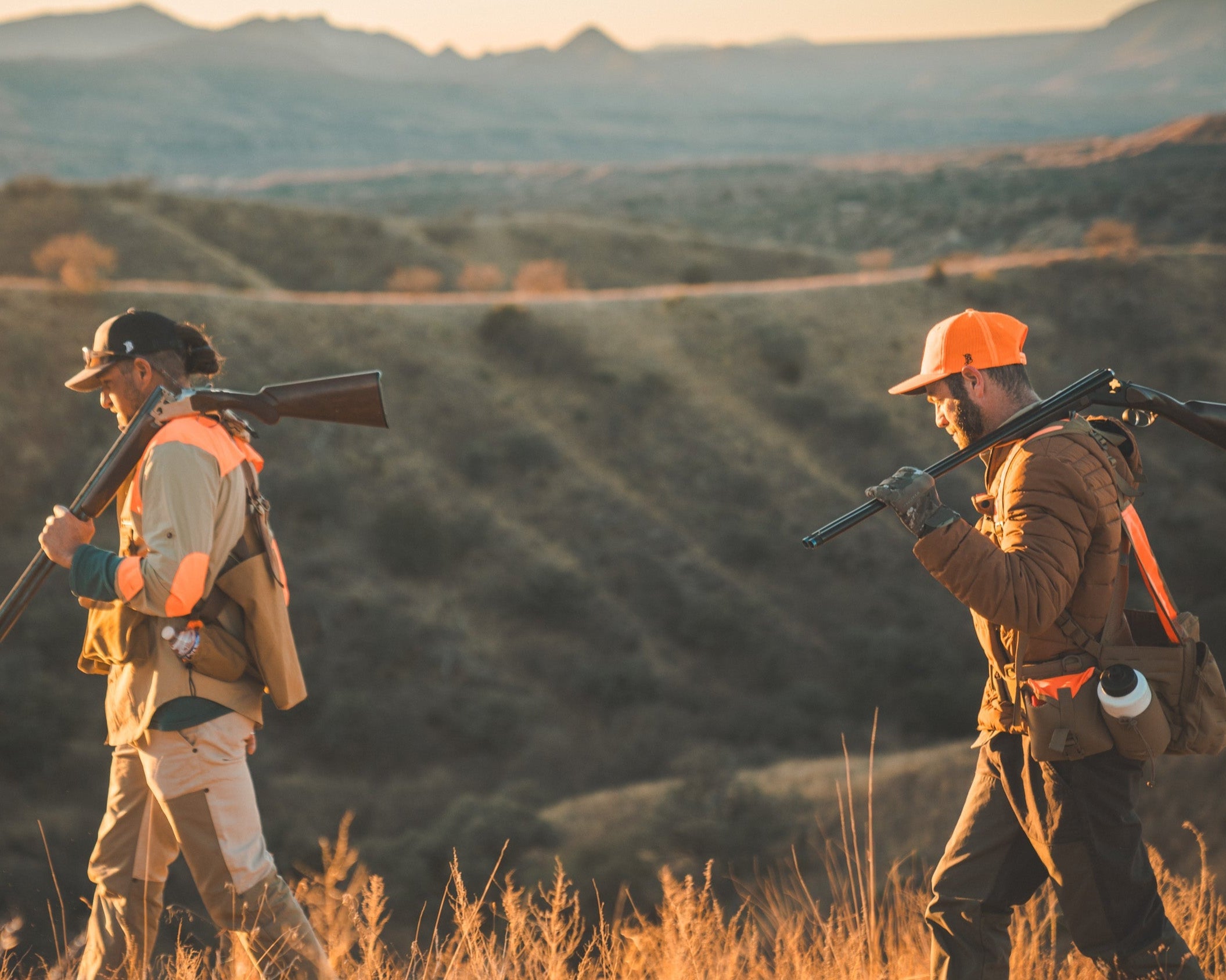
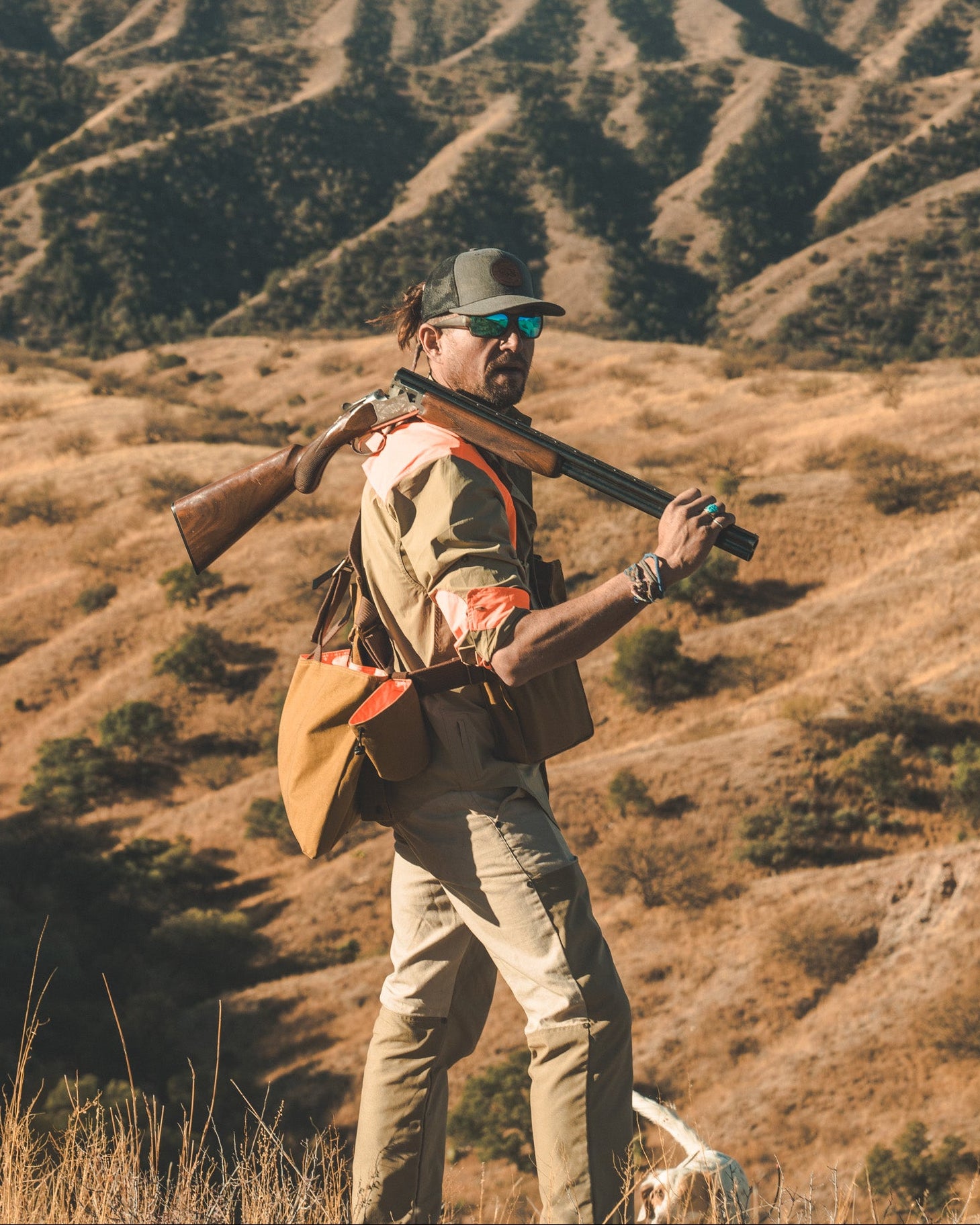
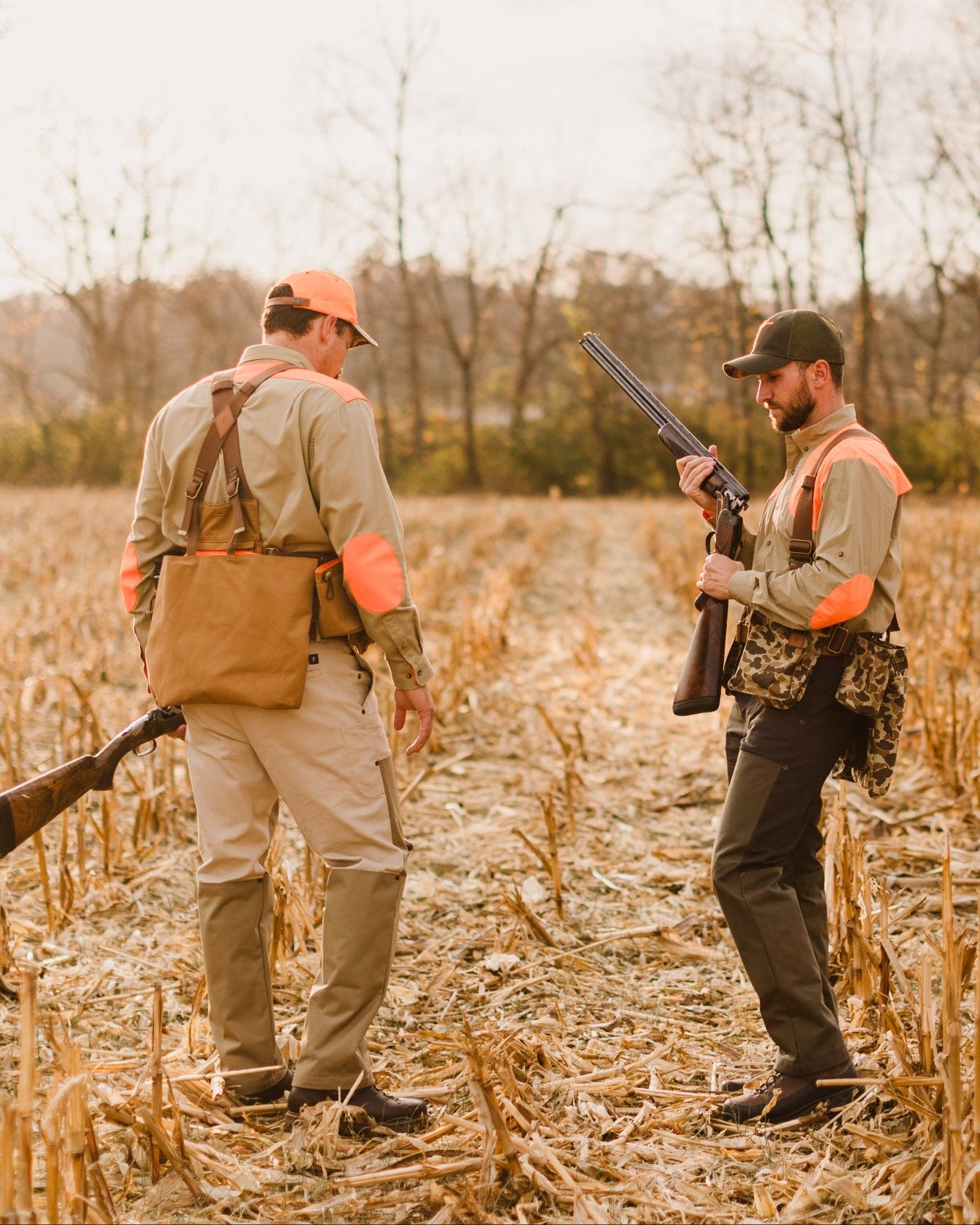
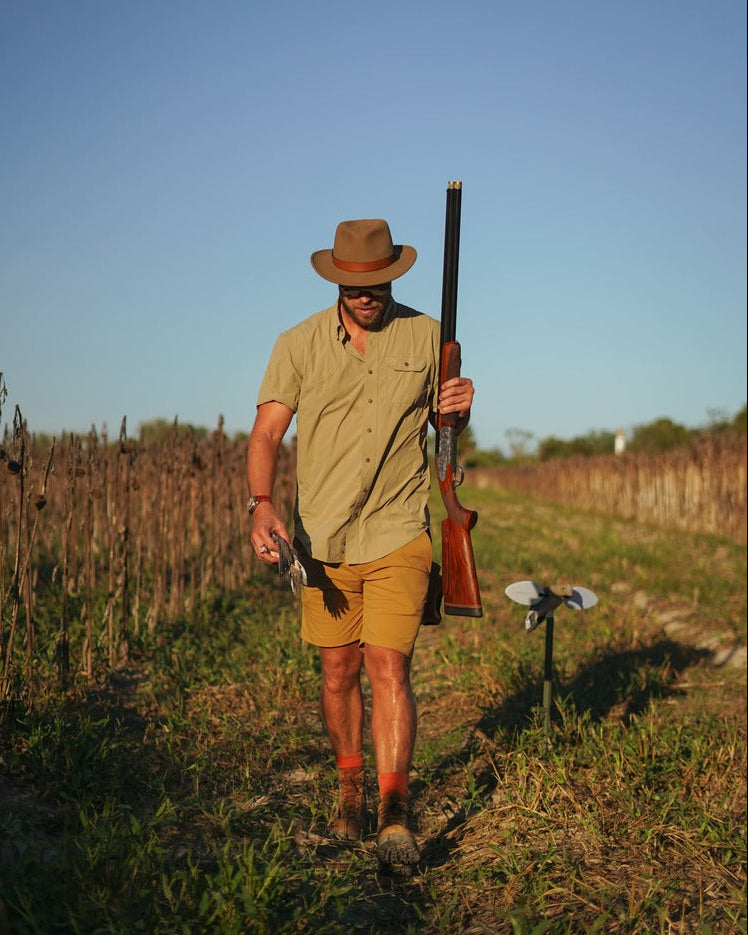
Long before there was a flag or a capital or a name for this place, that person was already here: moving through hemlock and wire grass, reading water by the color of its shadow, learning the woods not as scenery but as sustenance. They carried what they needed. They repaired what broke. They came home at last light with something to show for it, or they didn't come home until they did.
That person is still out there.
Two hundred and fifty years into the American experiment, the bird coveys still flush with an explosion of sound into blue skies. The spring creeks still hold wild trout in the gravel runs. The salt flats still push bonefish at the turn of tide. The land endures: where it has been protected, where it has been fought for, where enough people cared enough to insist that it remain.
Ball and Buck was built for that person. Not as a concept, but as a conviction.


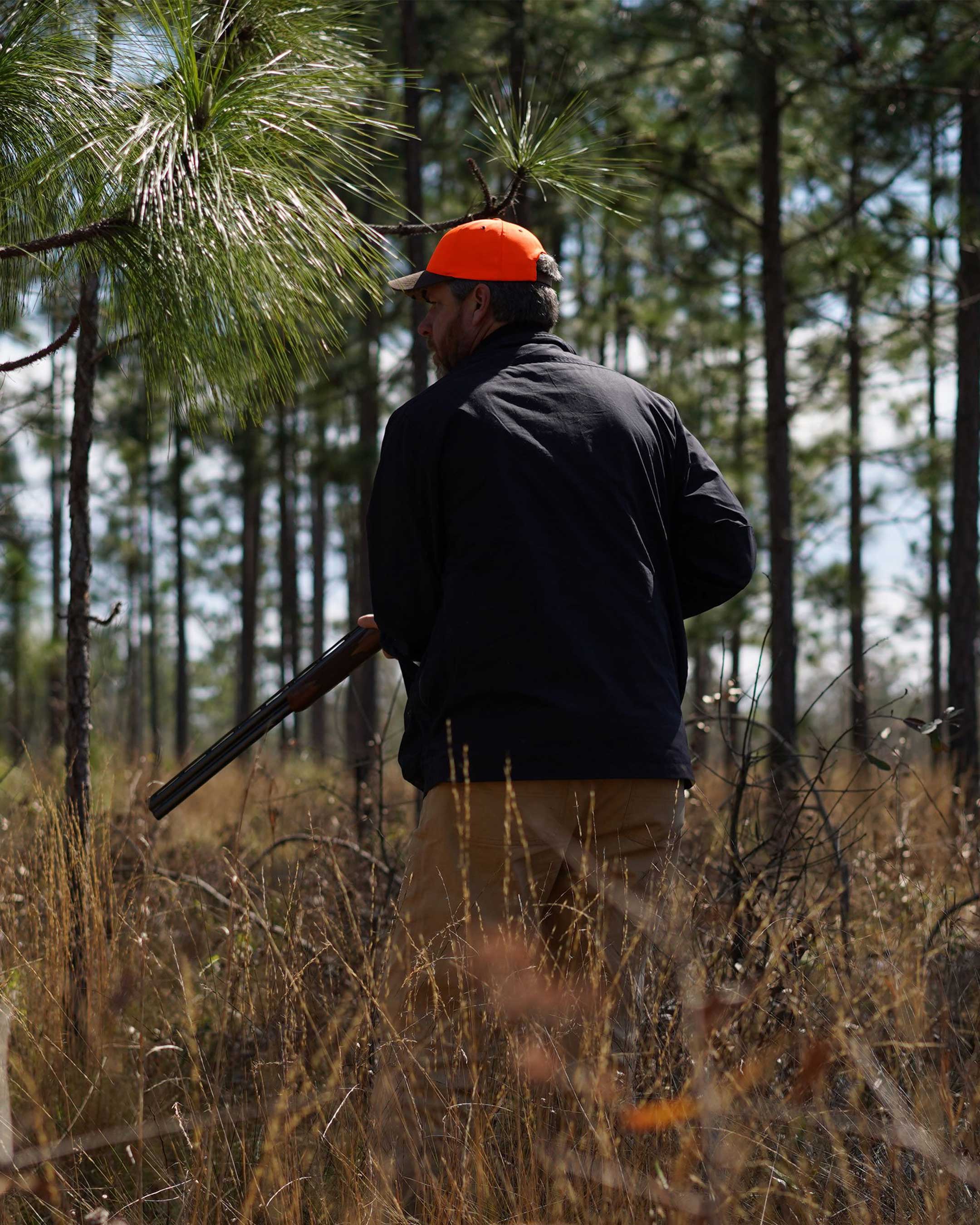

What Heritage Actually Means
The word heritage gets used loosely. It gets applied to anything old enough to have a patina, anything that photographs well against rough-hewn wood. Ball and Buck has no interest in that version.
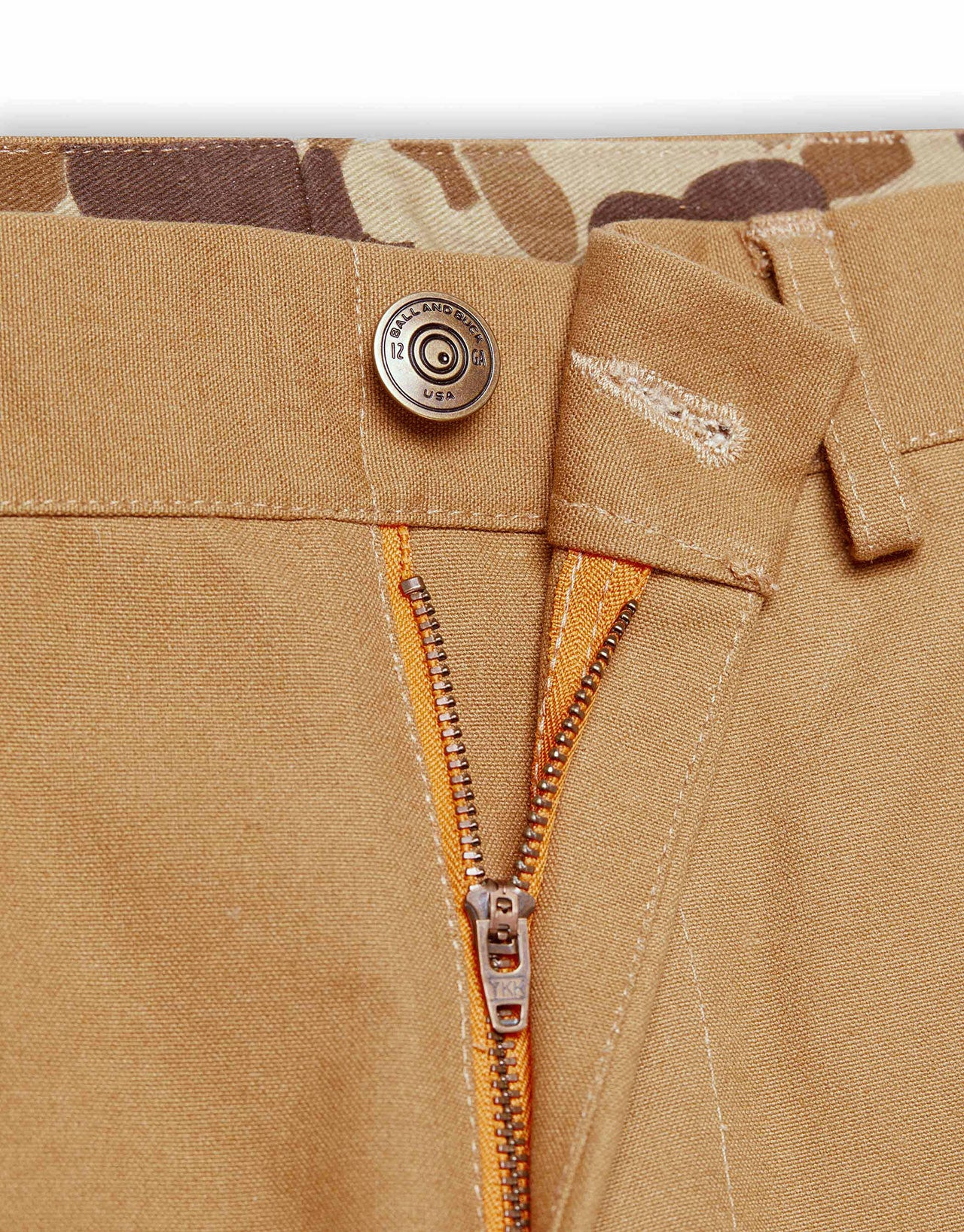
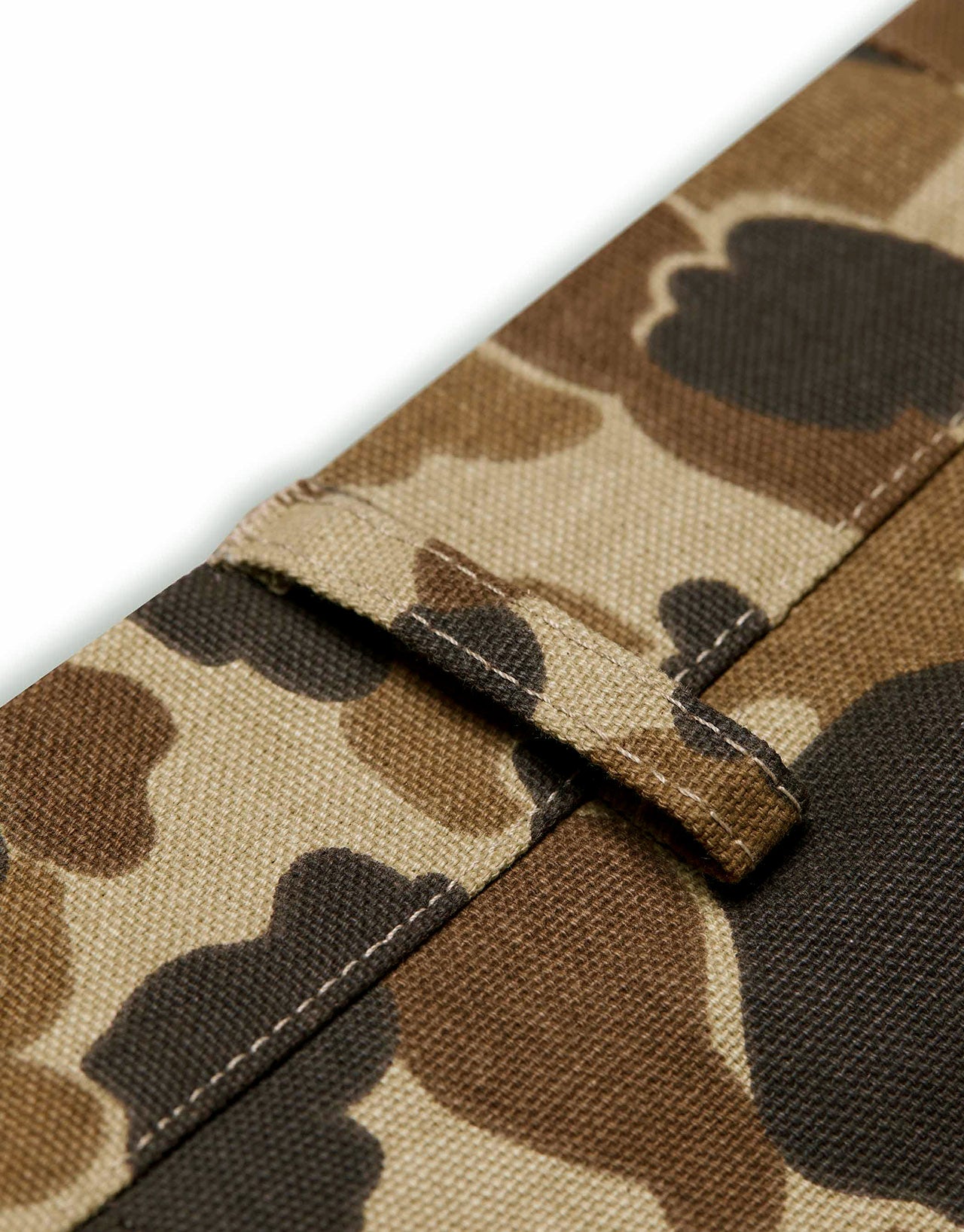
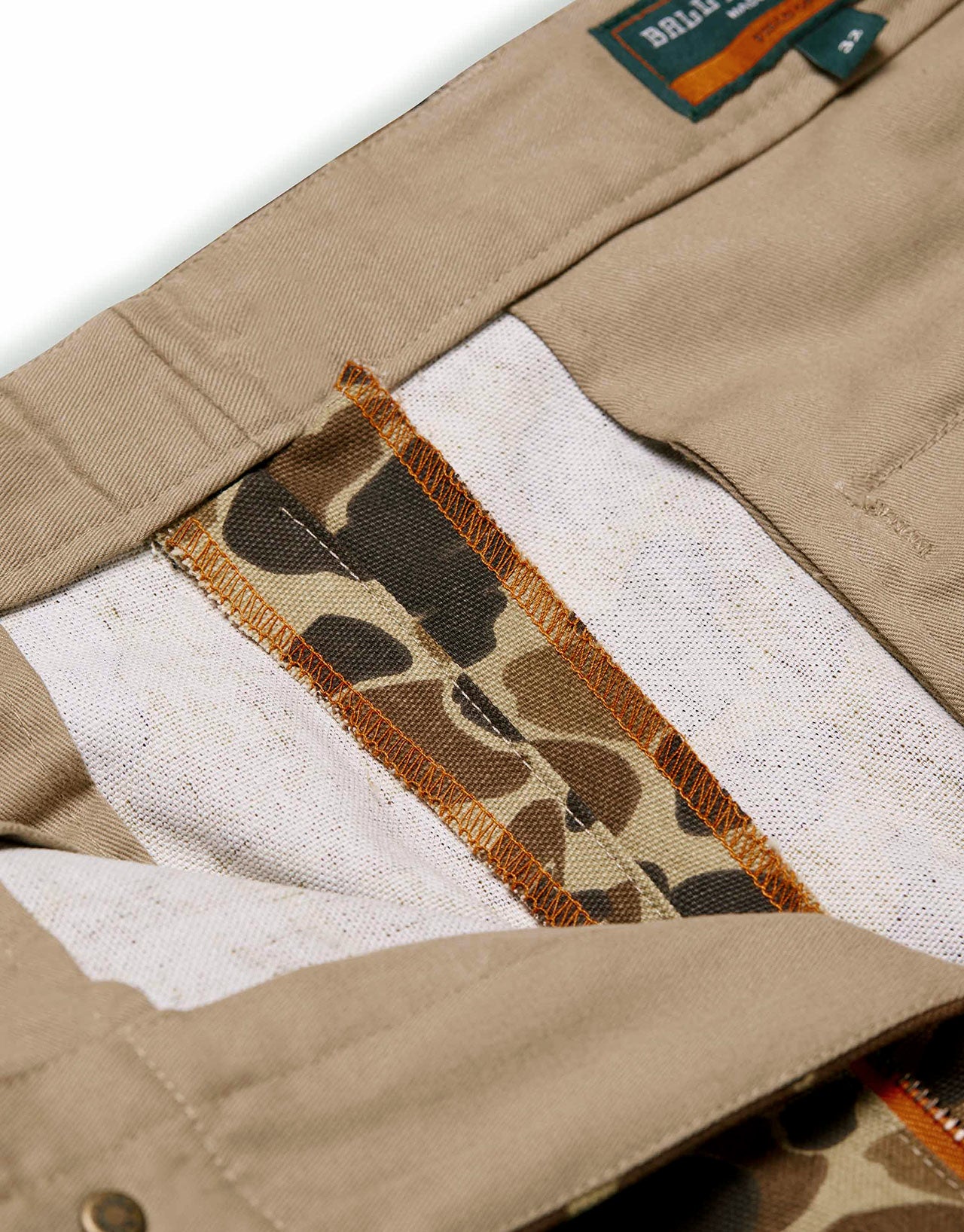
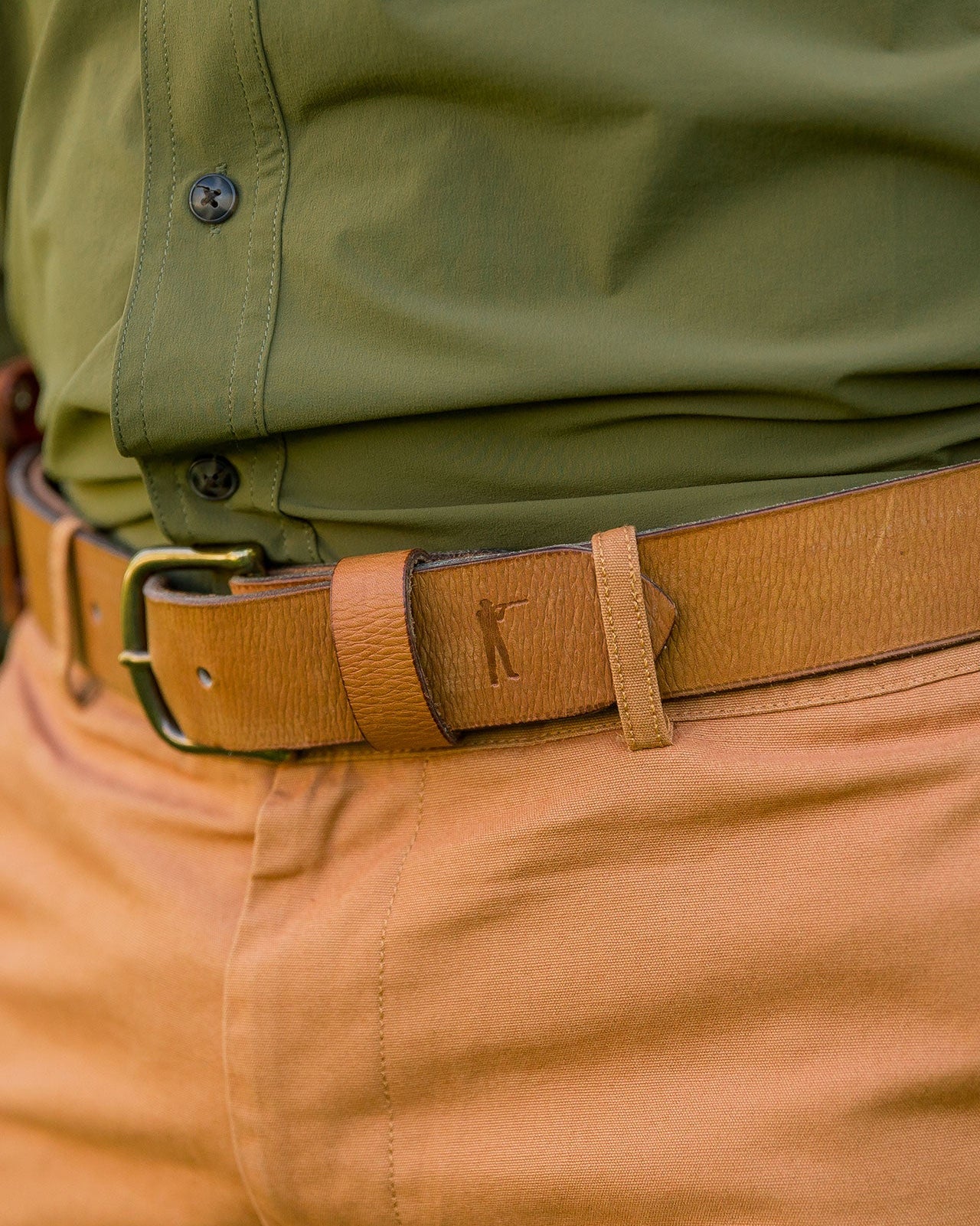
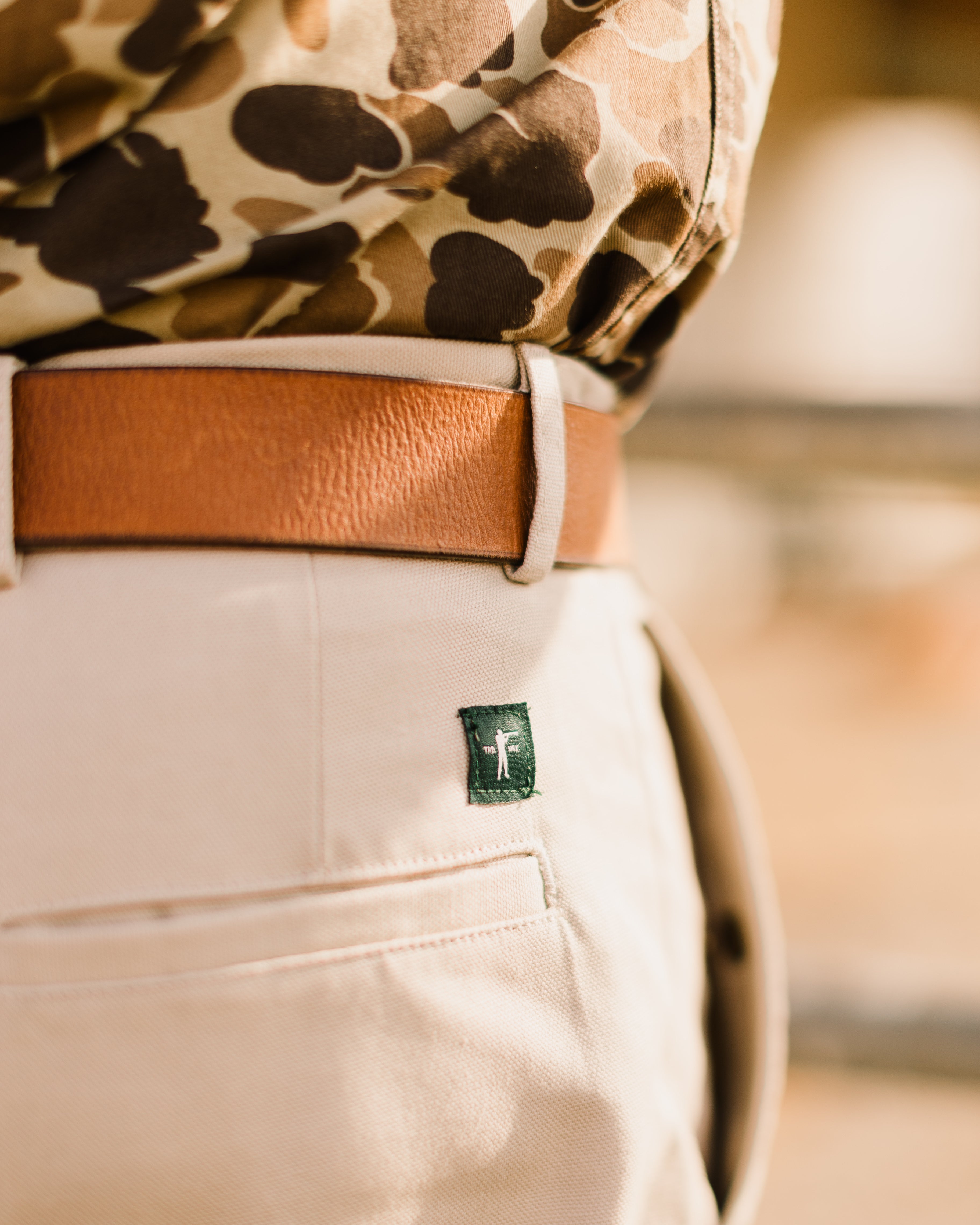
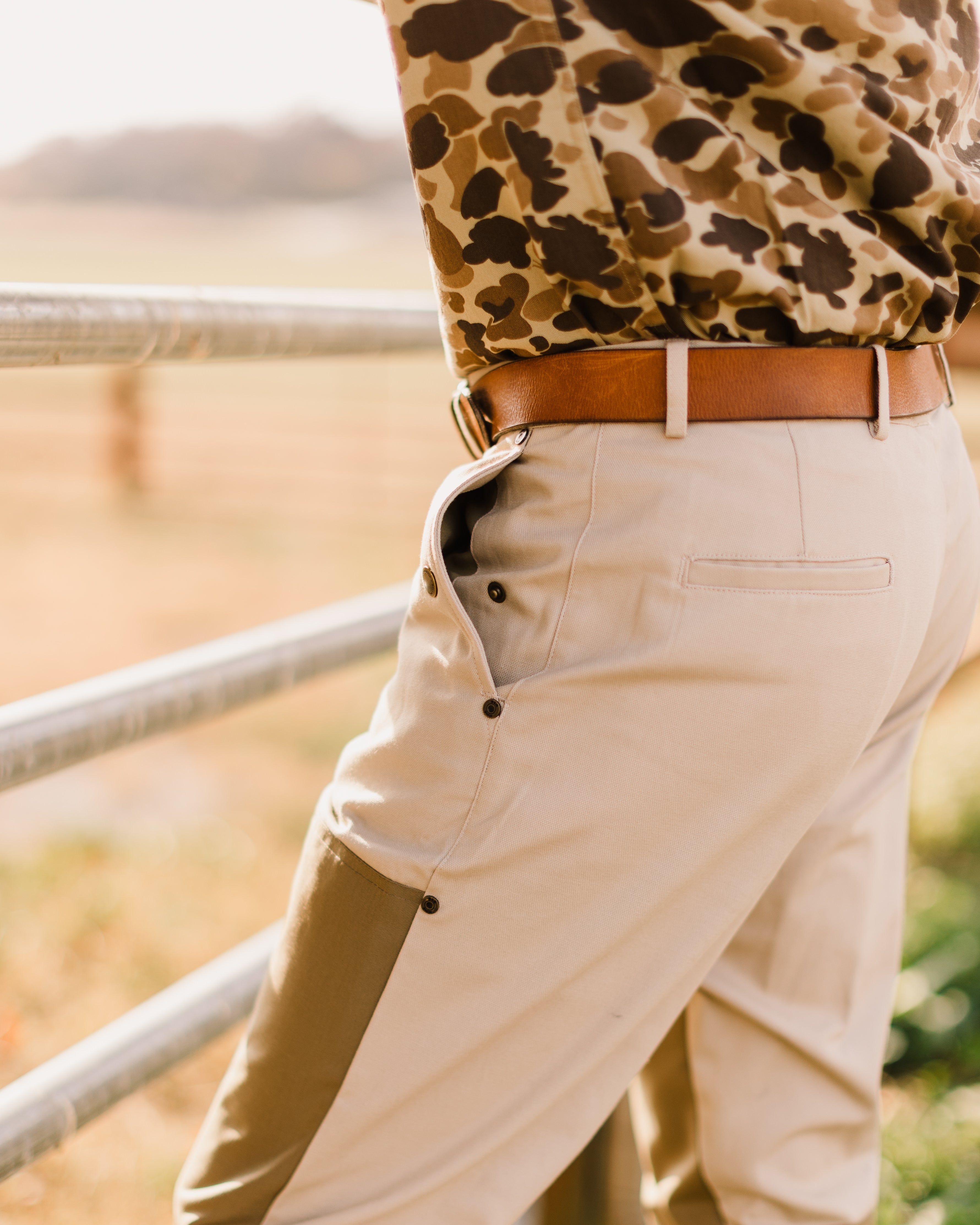
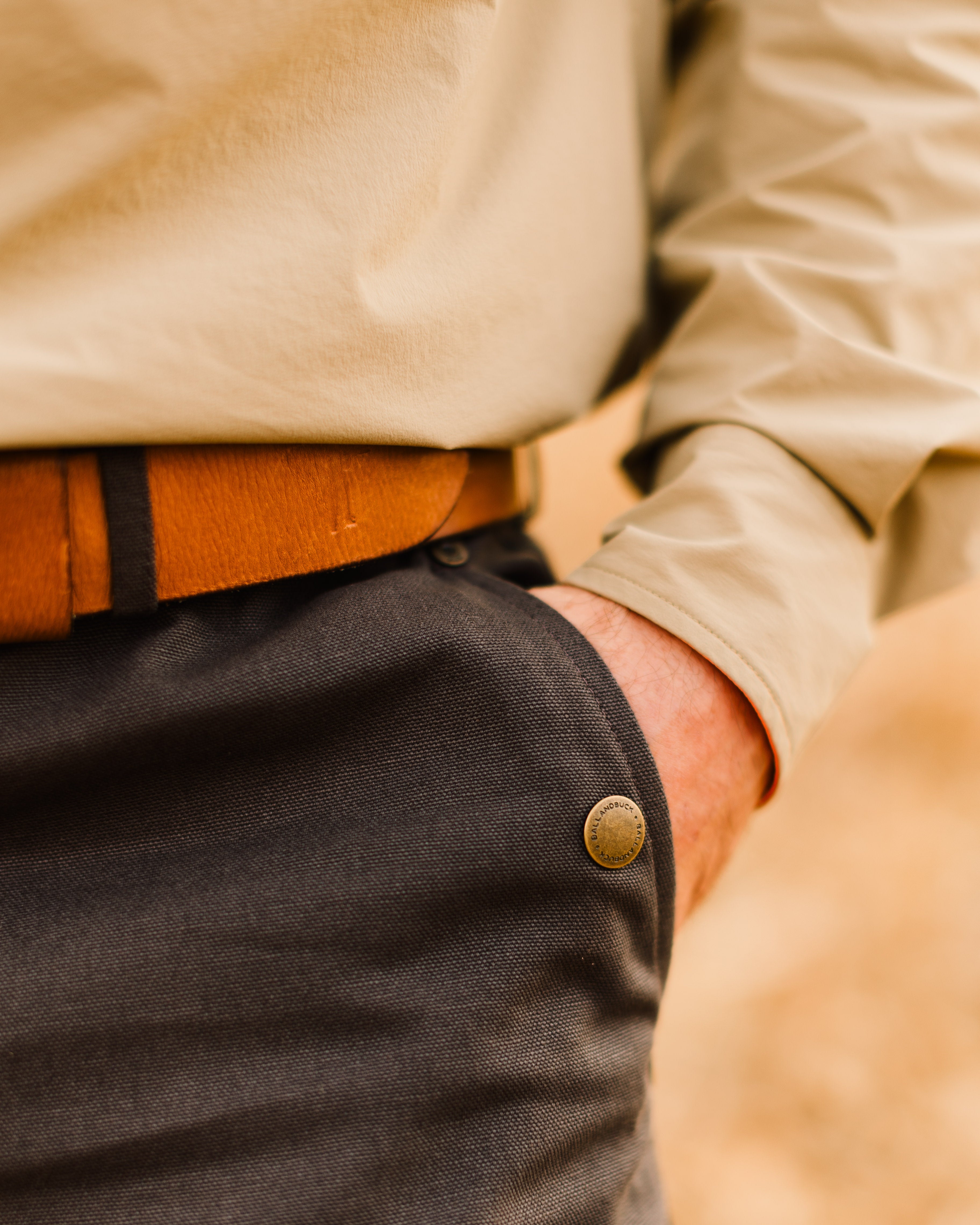
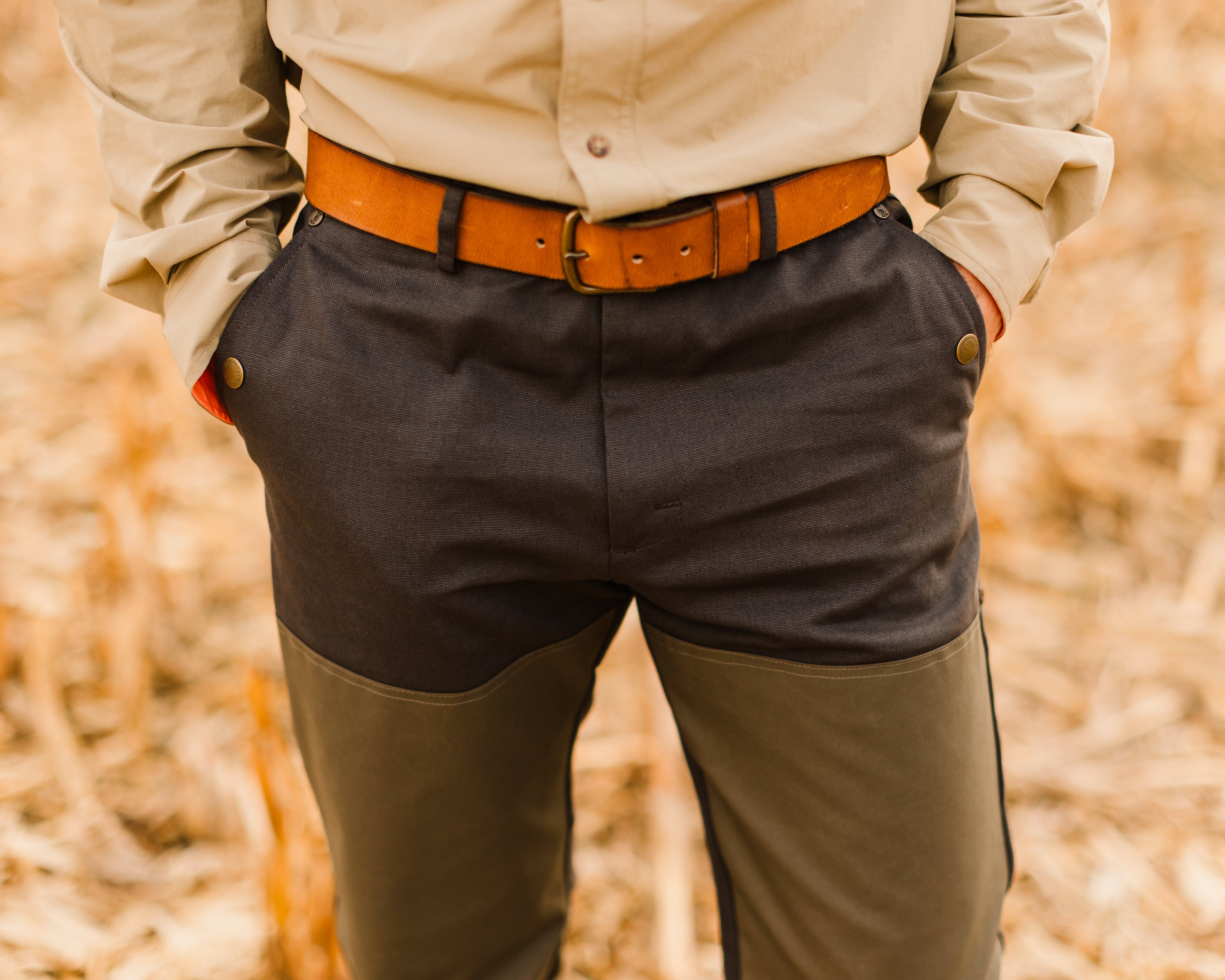
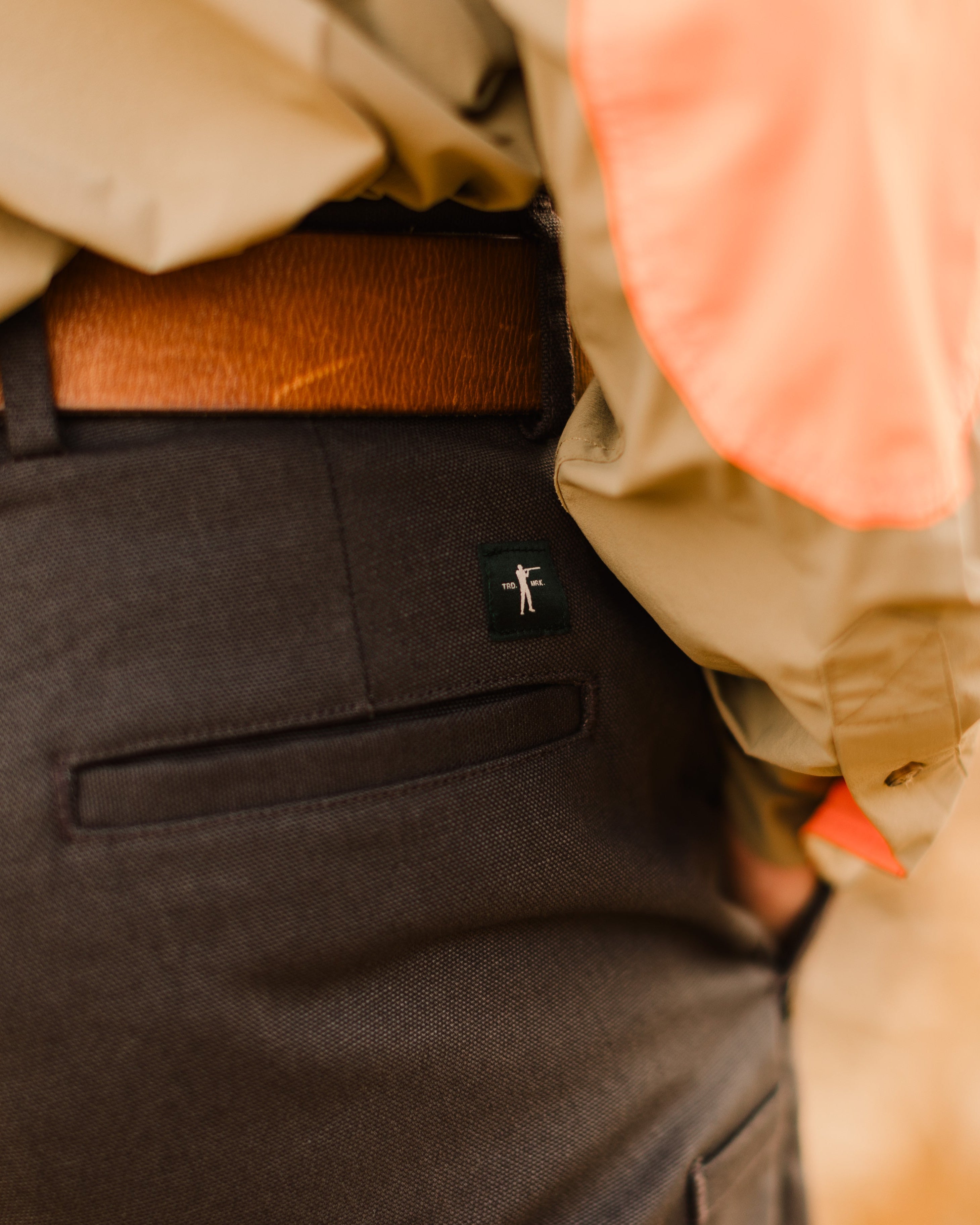
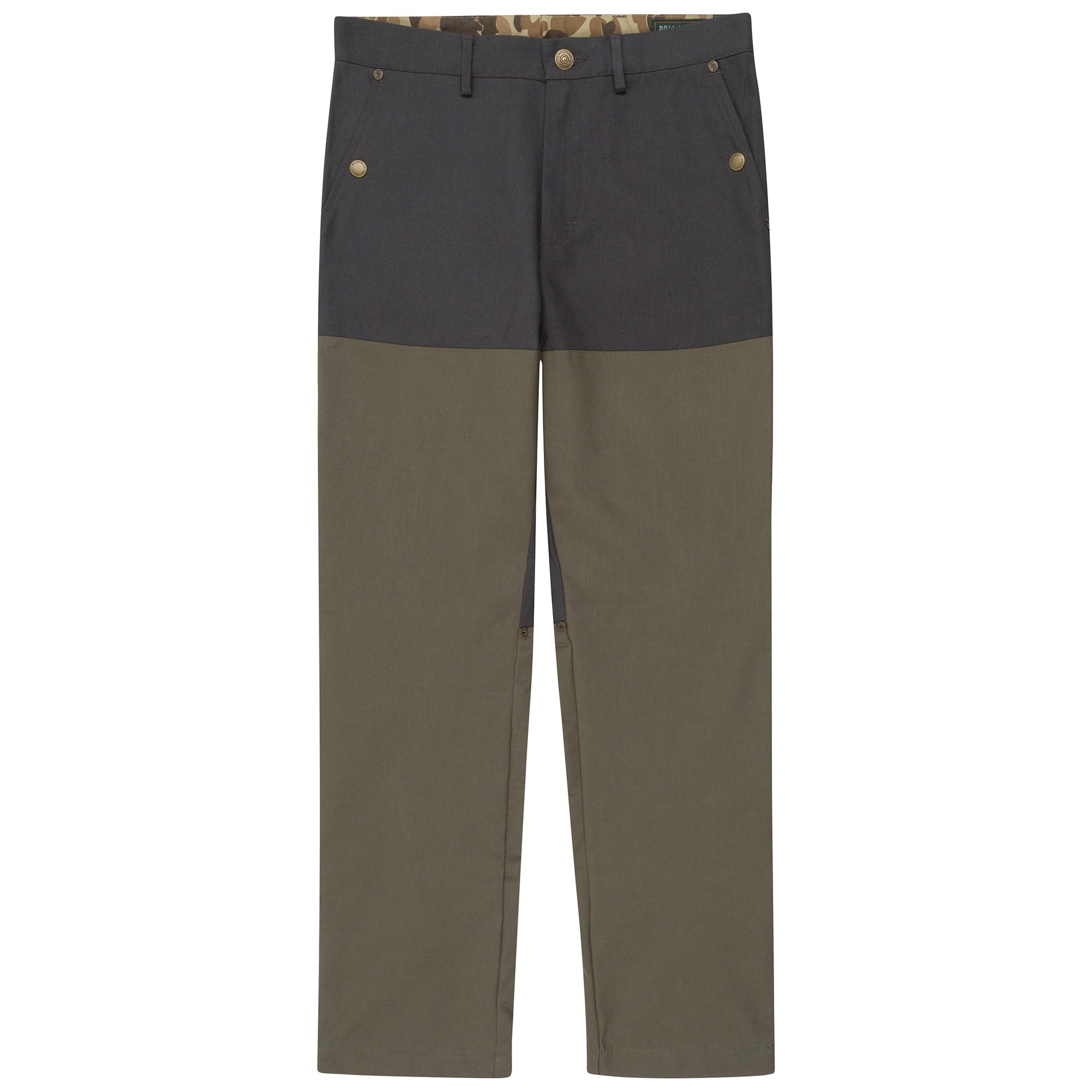
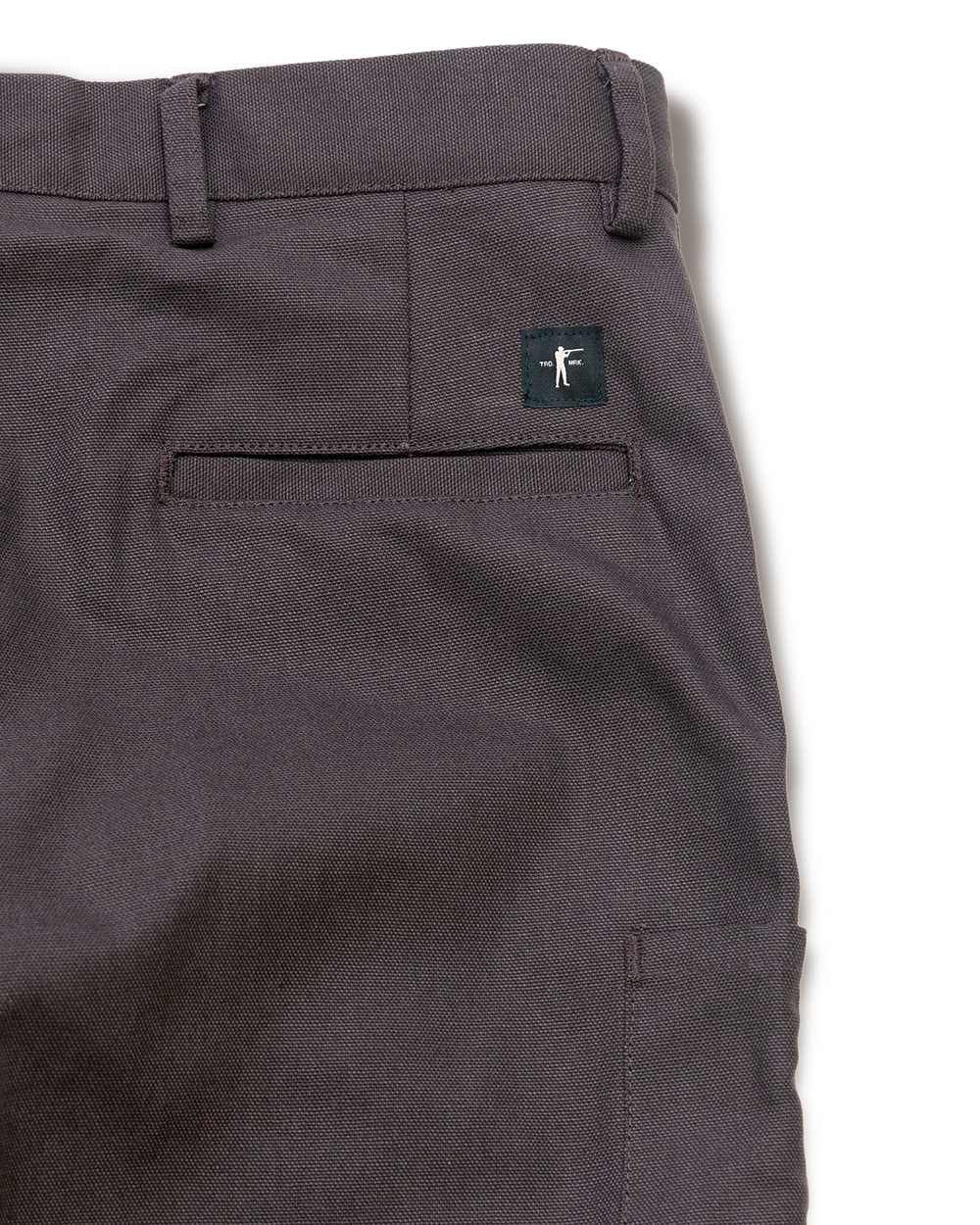
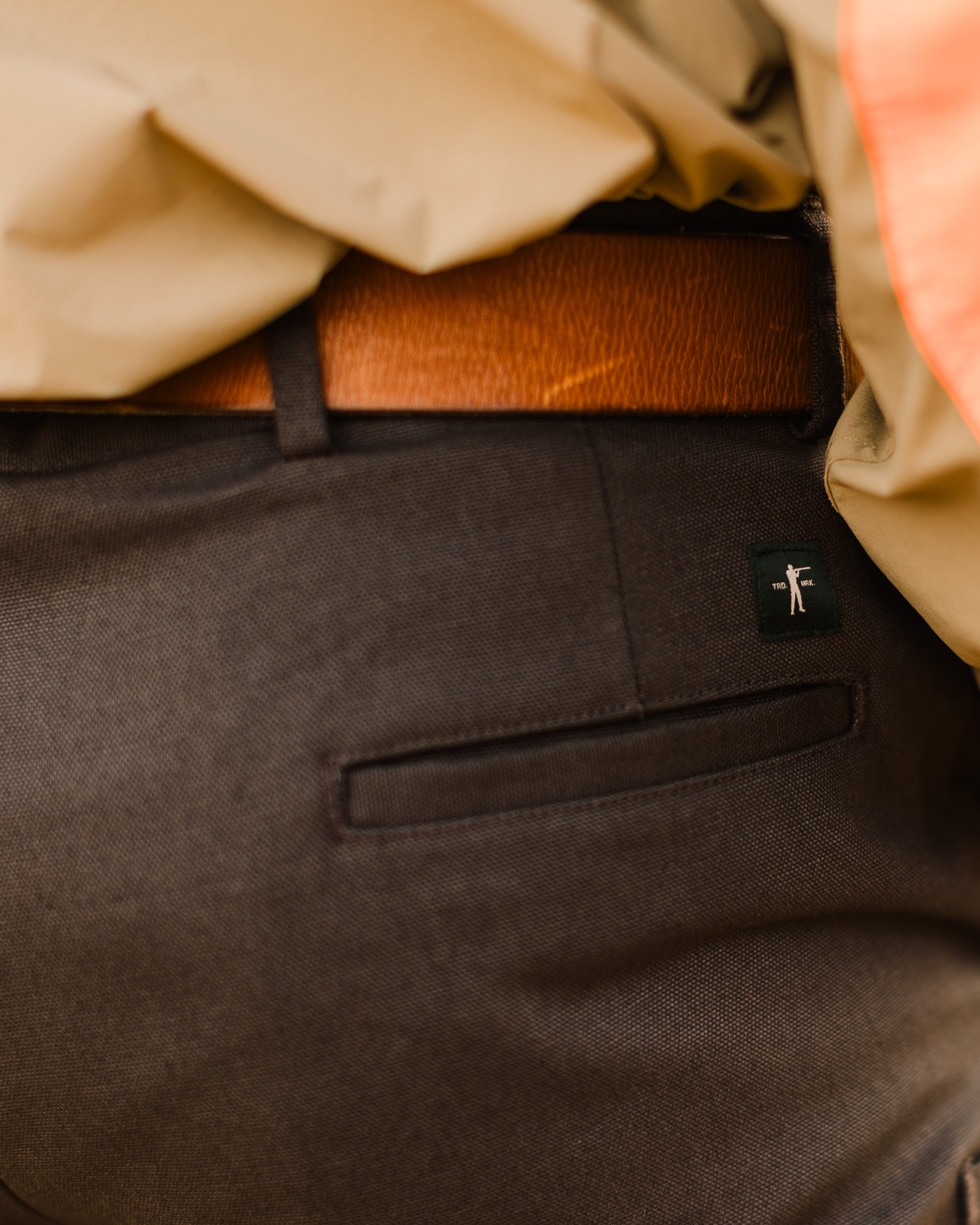
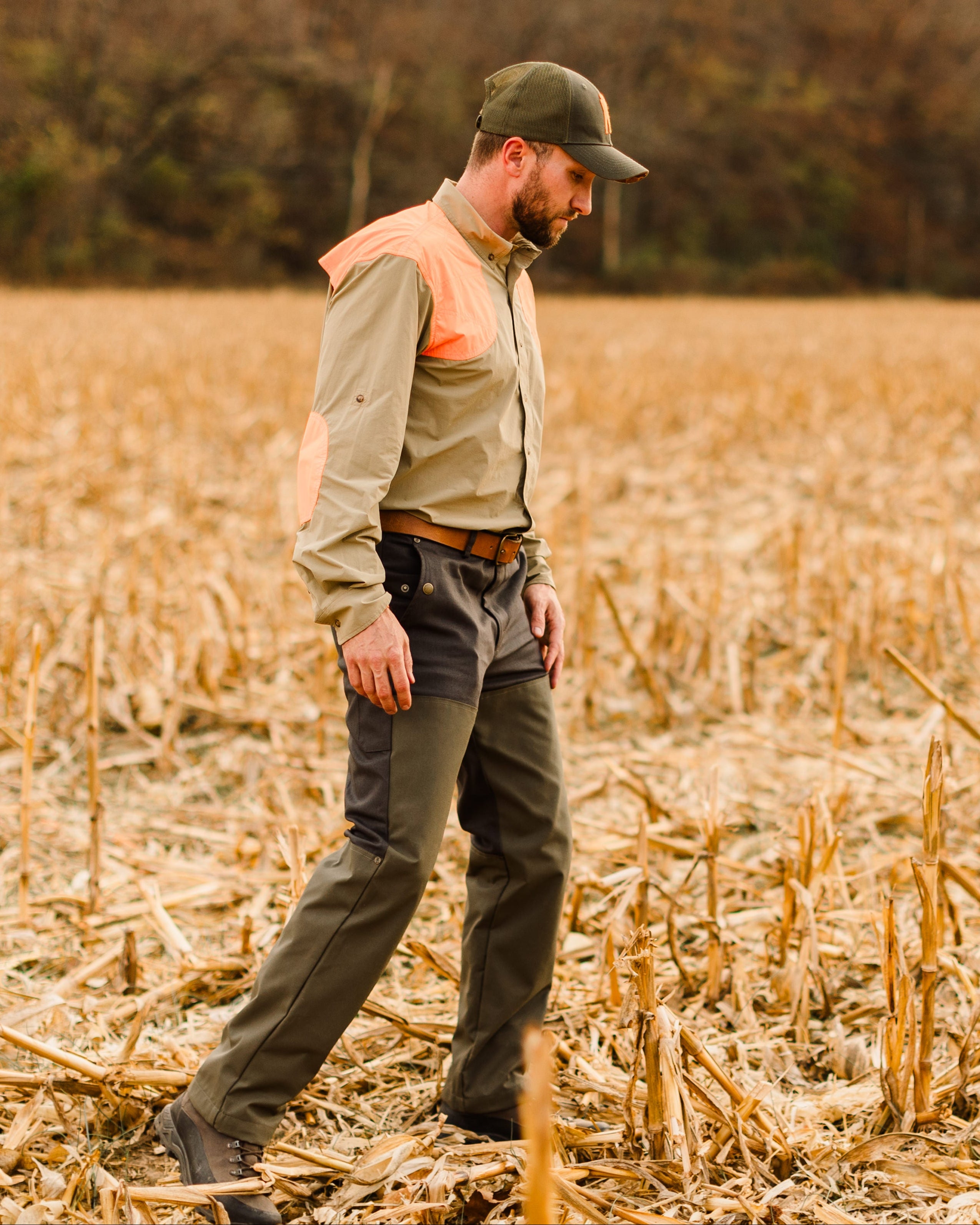
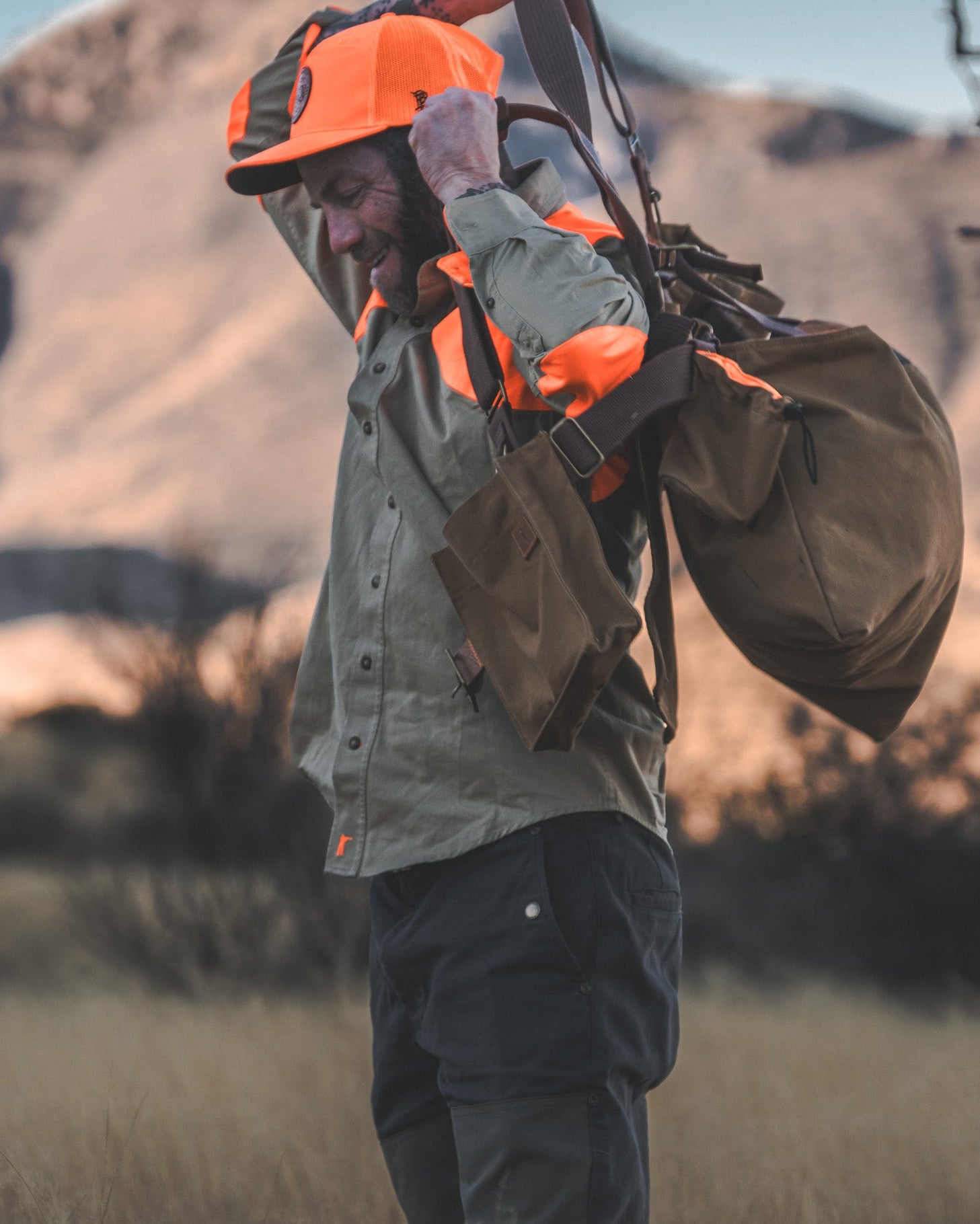
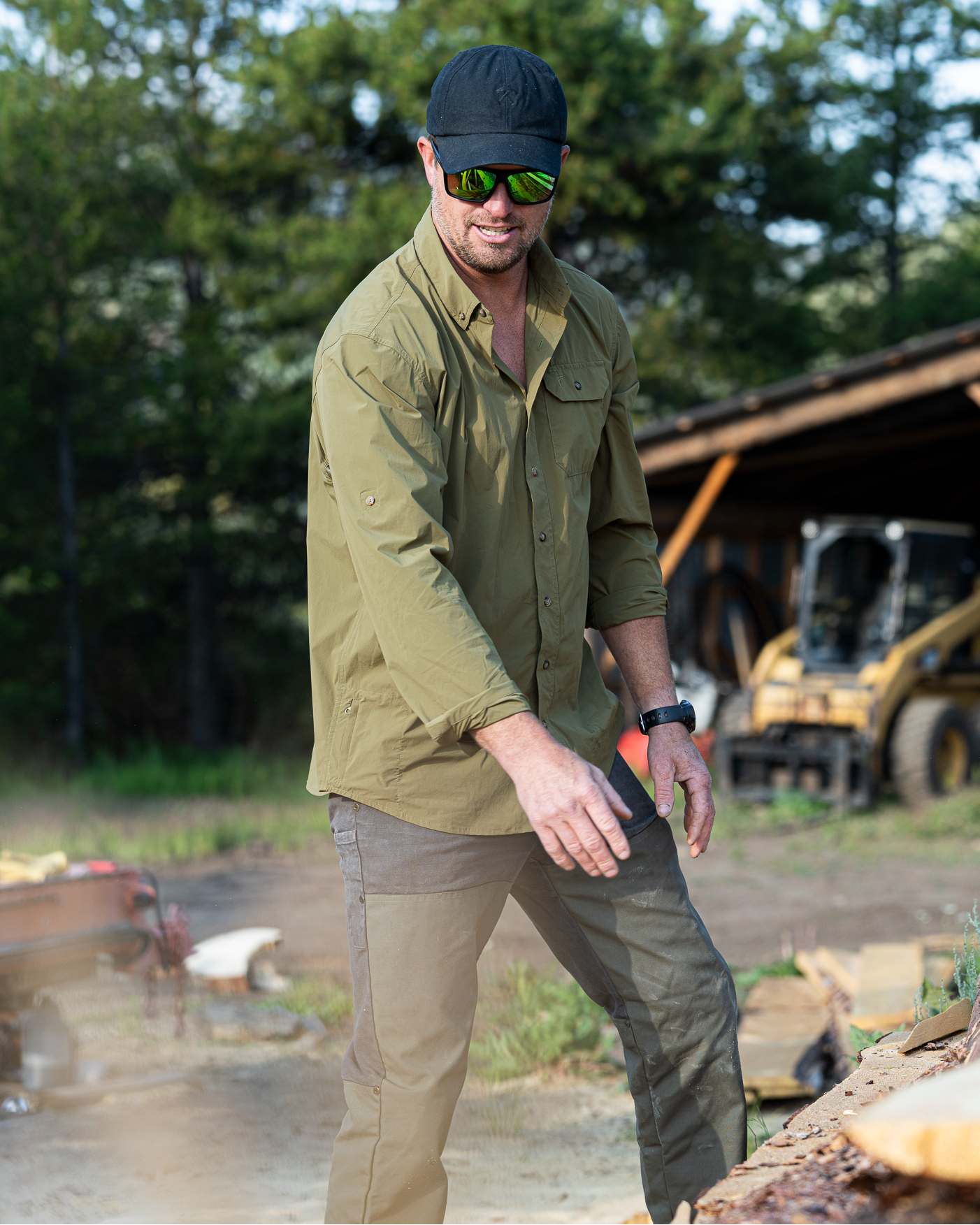
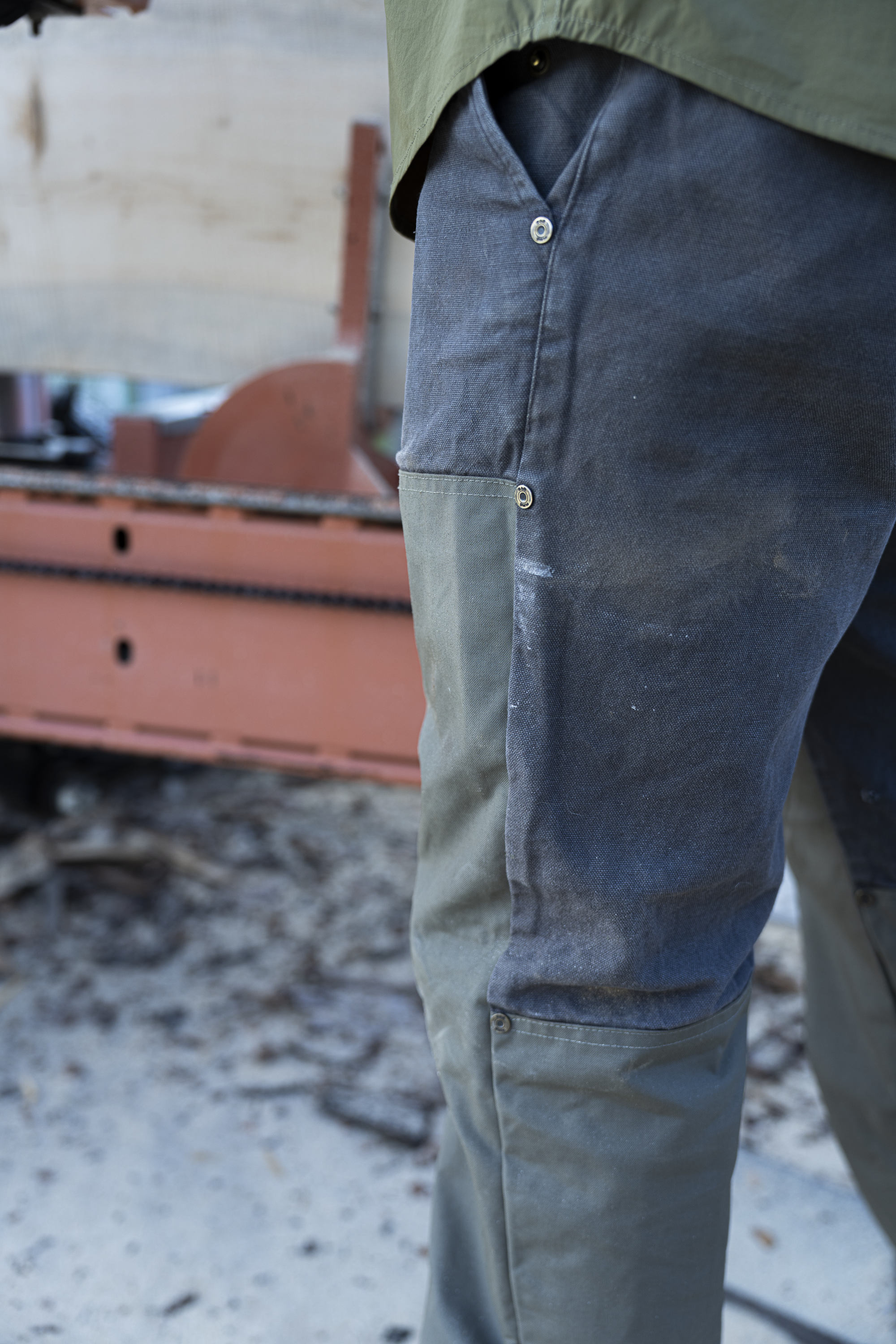
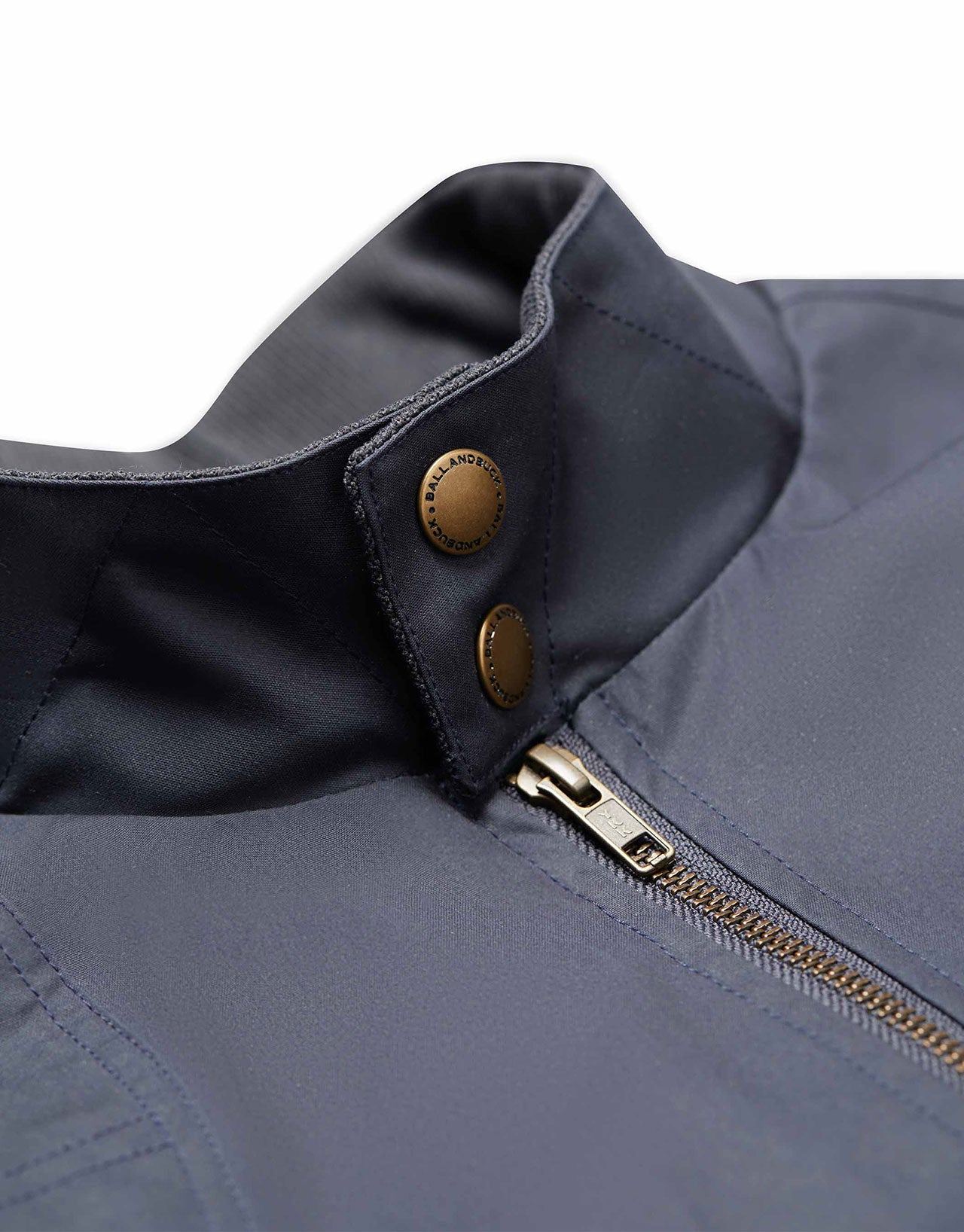
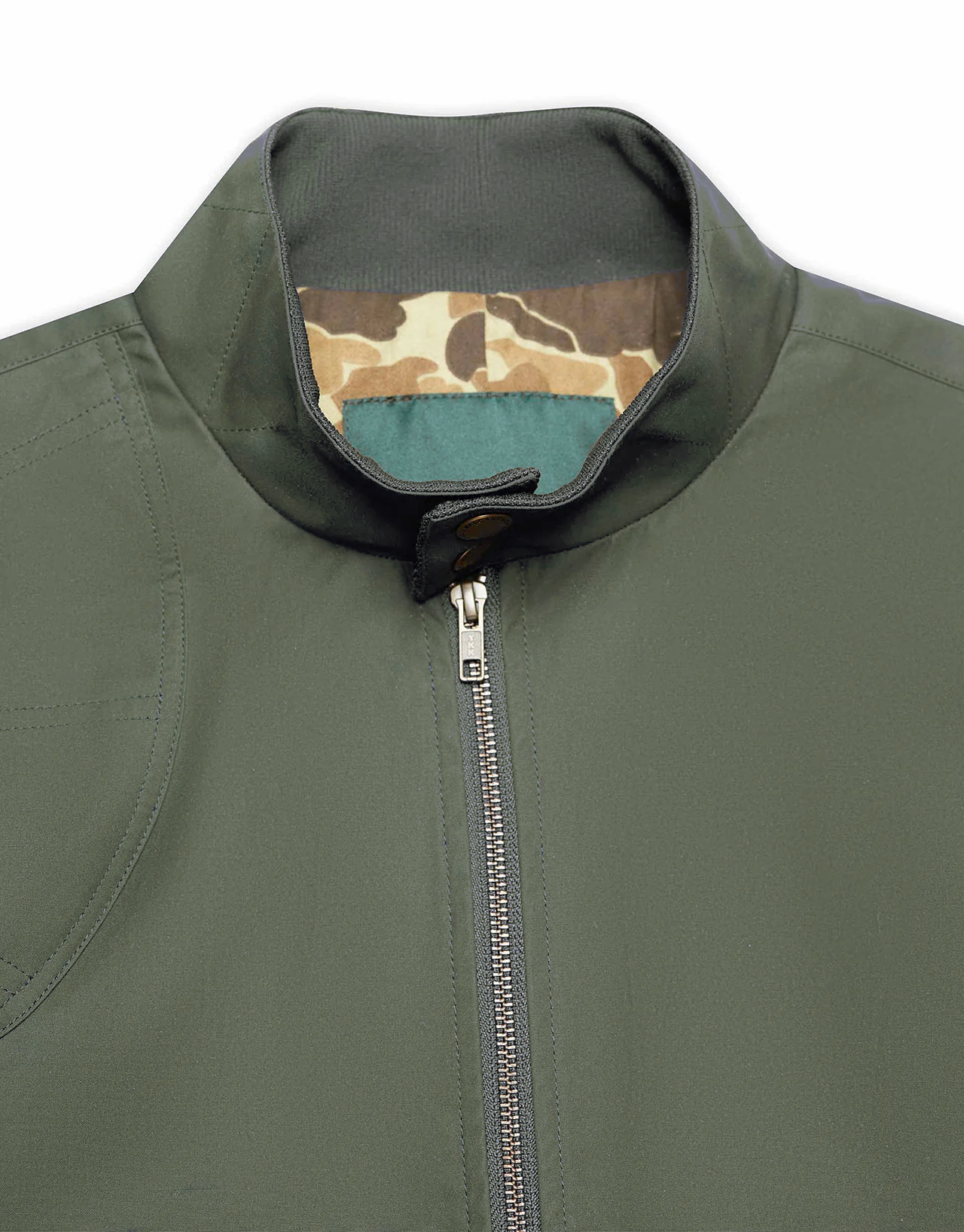
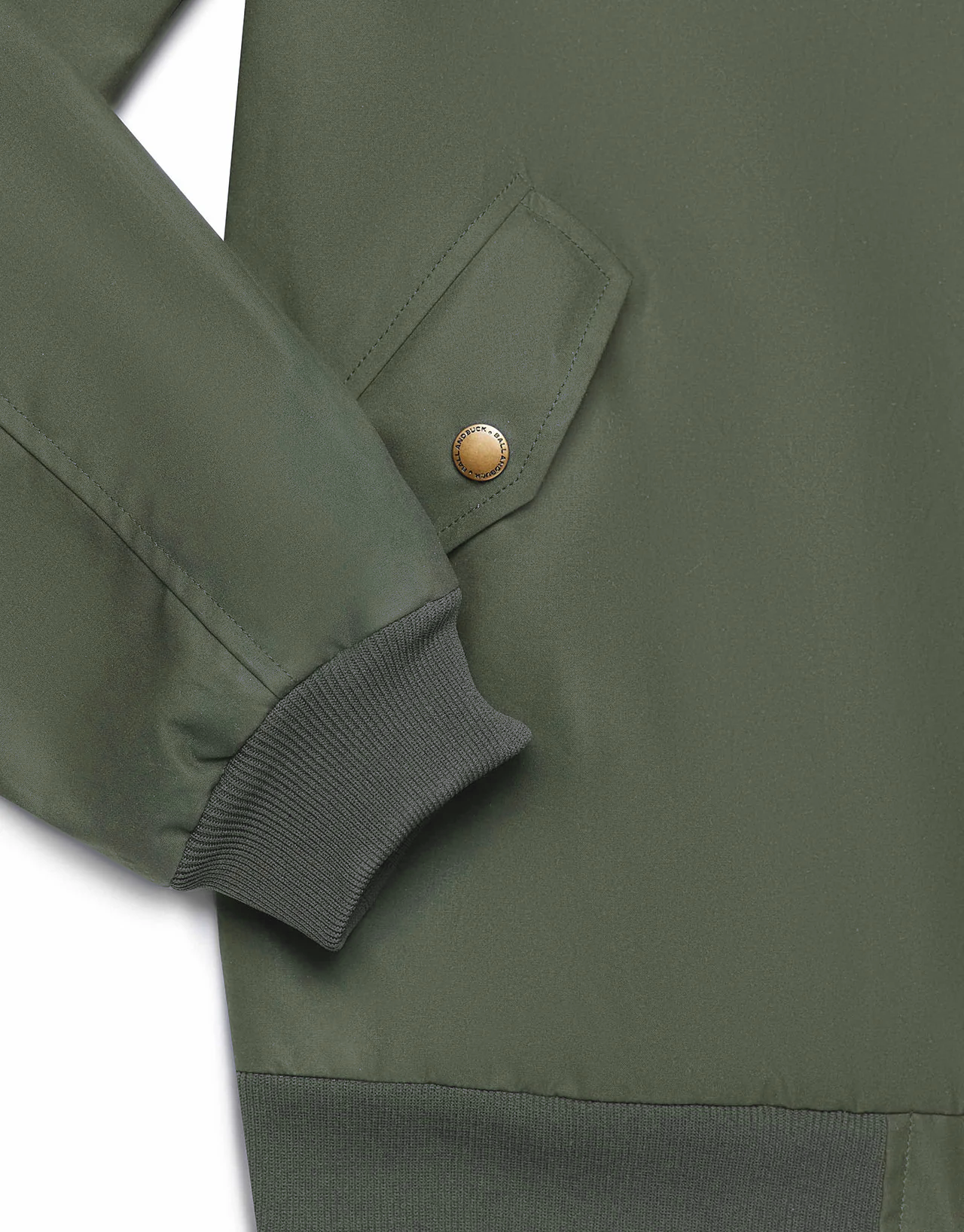
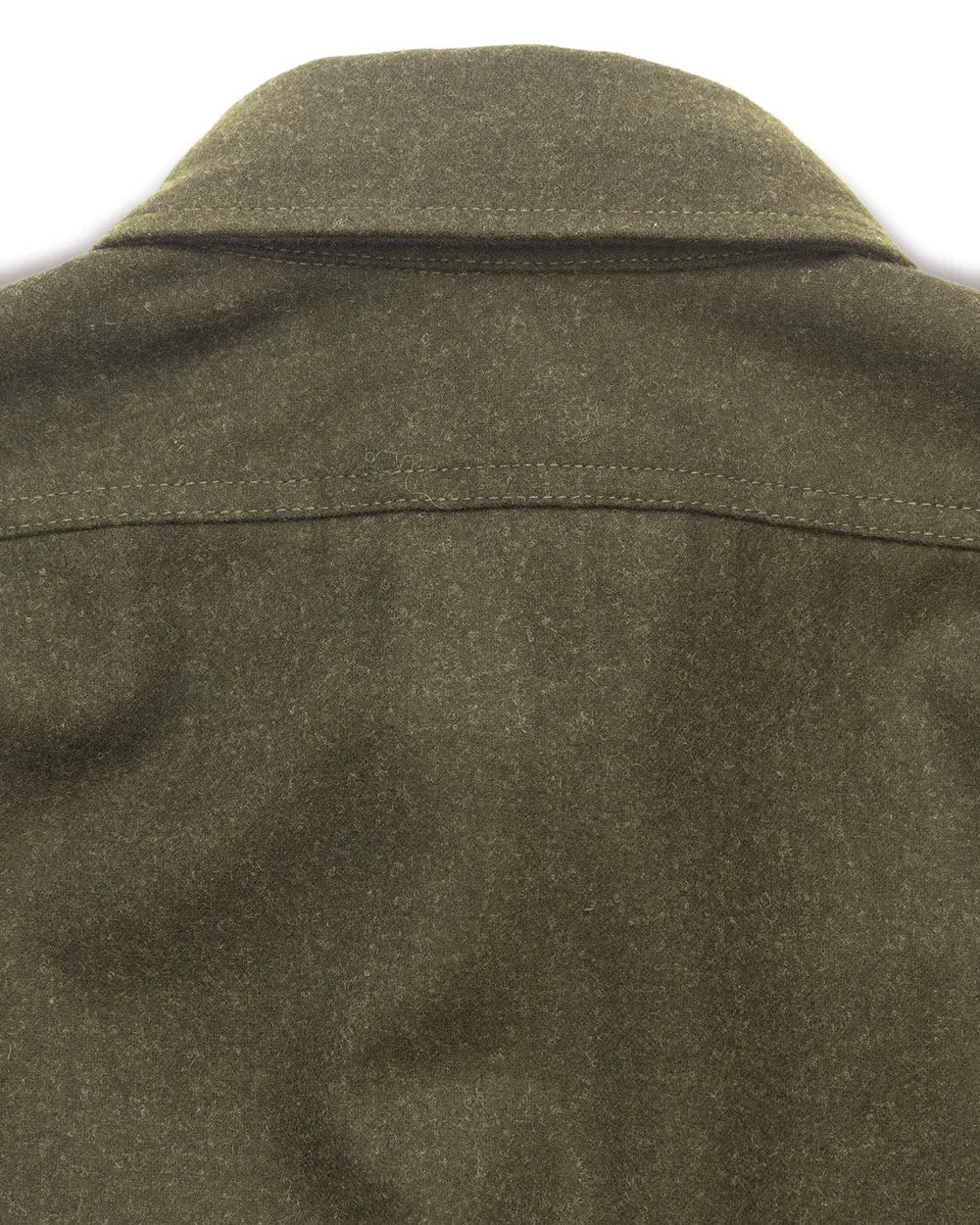
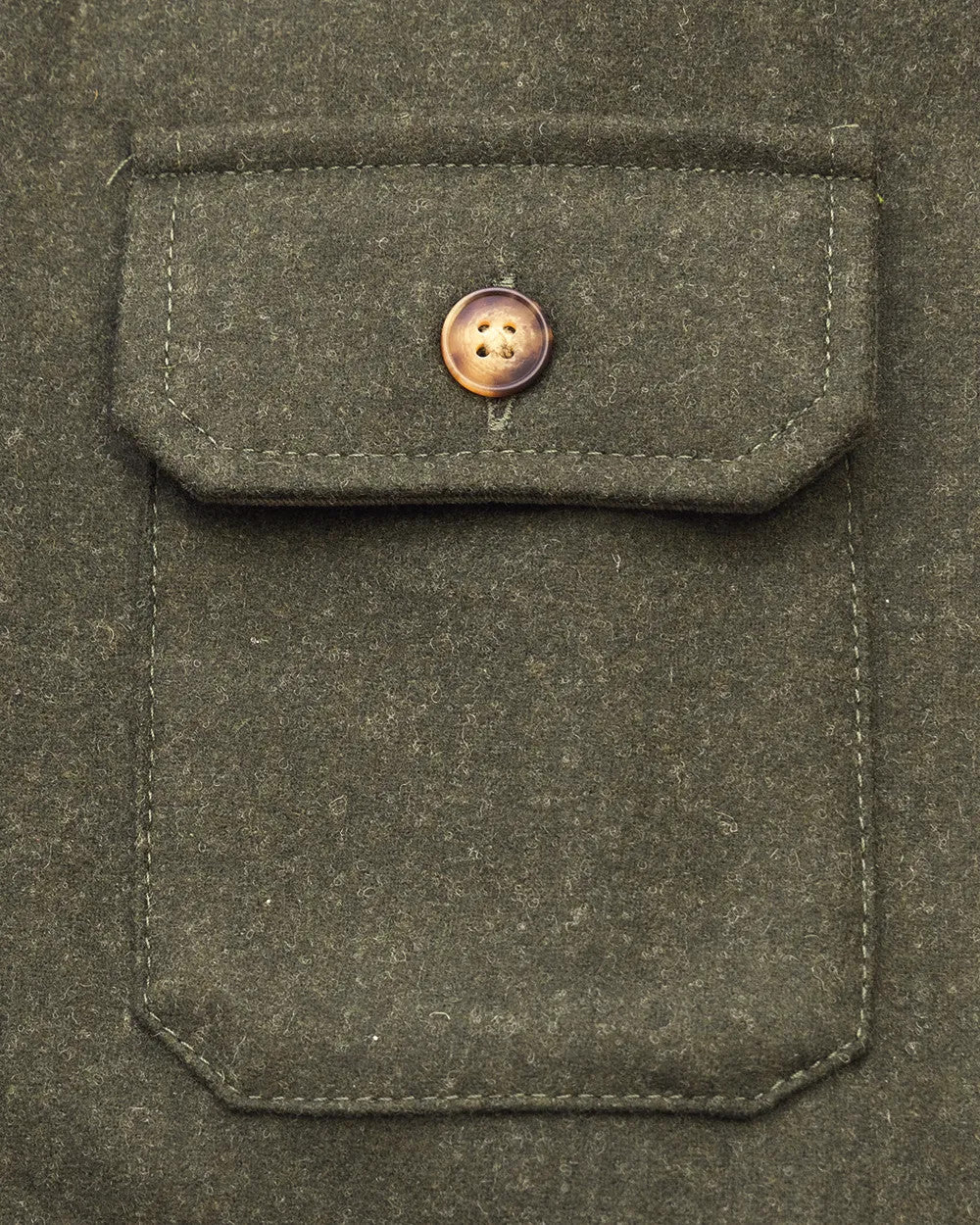
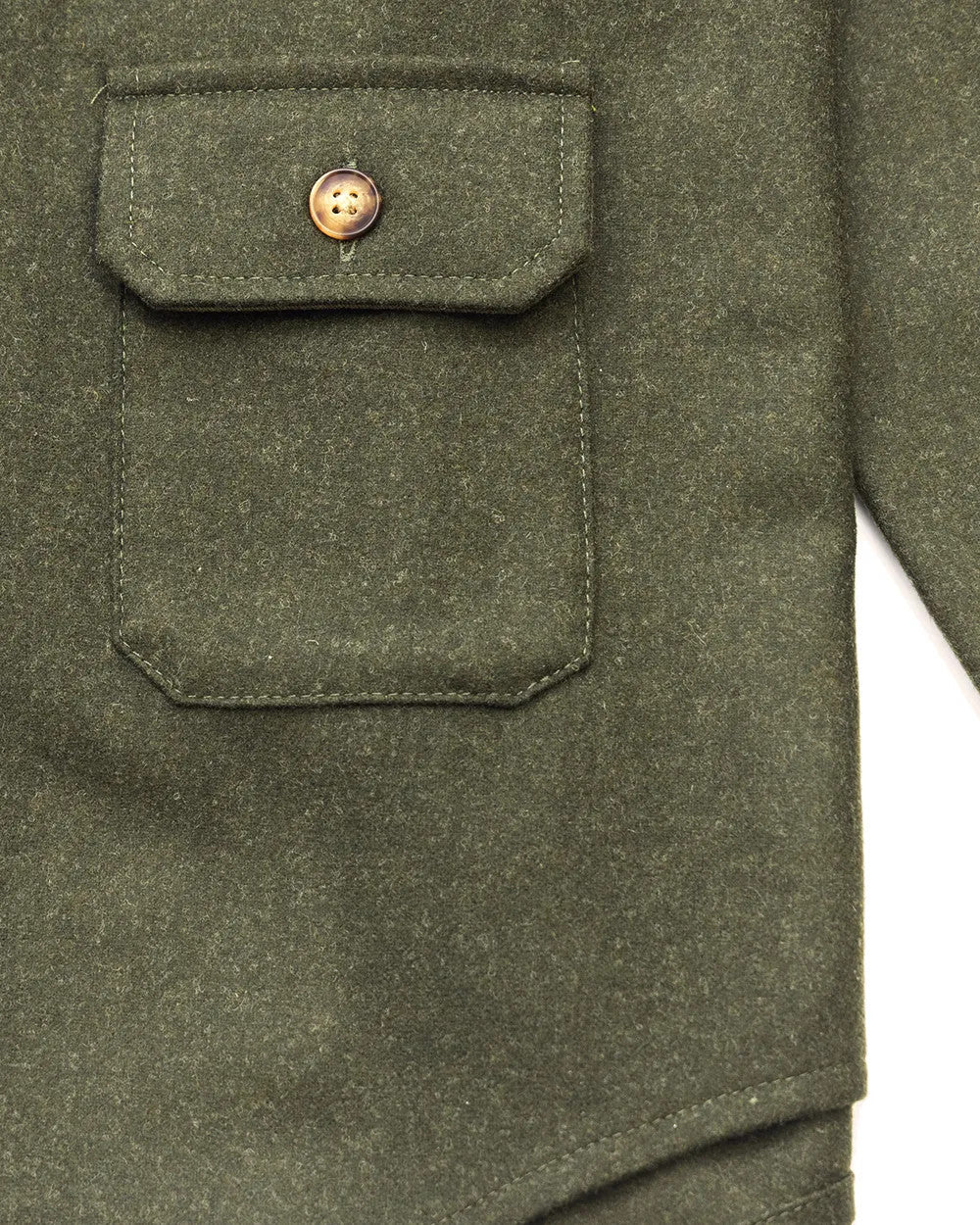
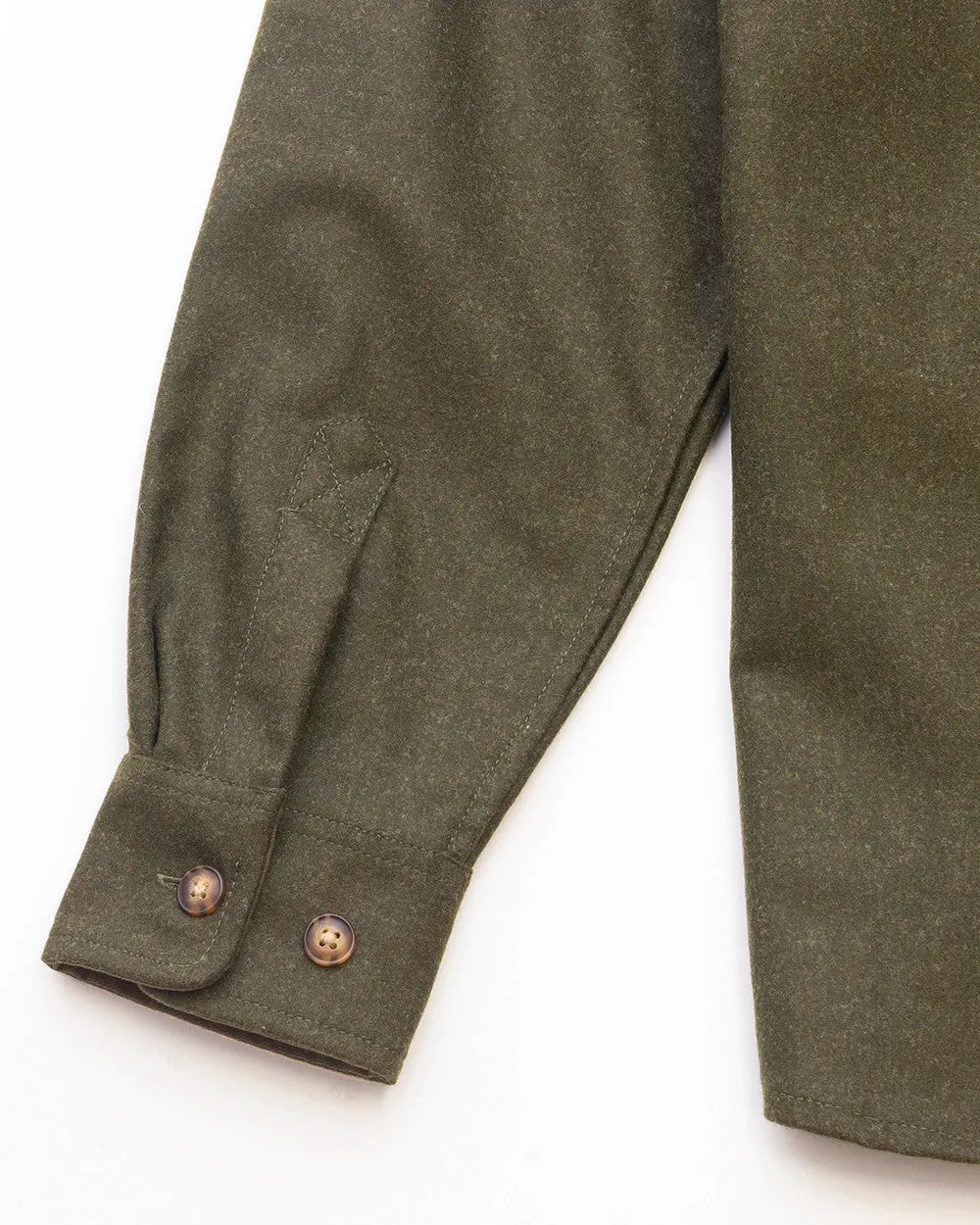
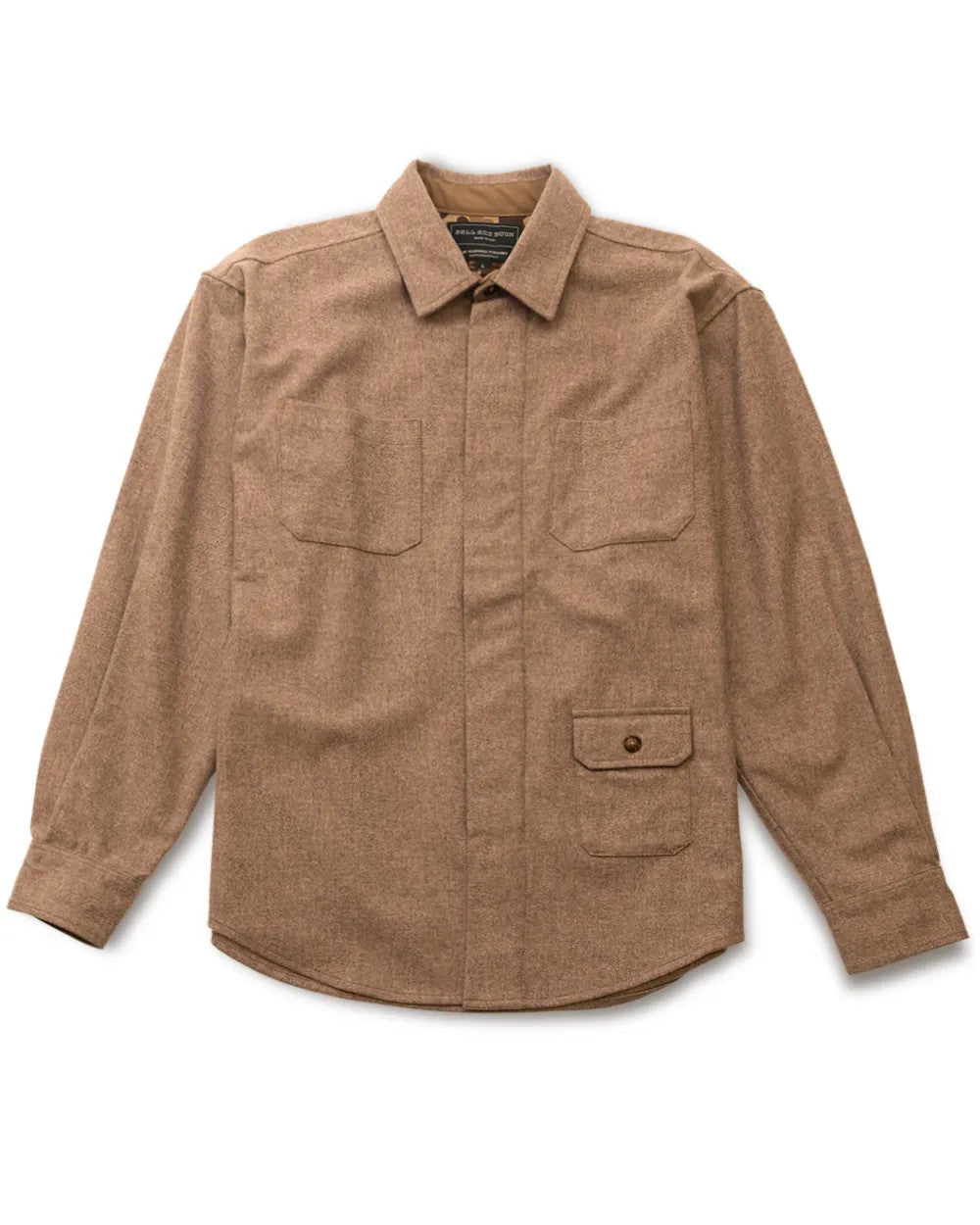
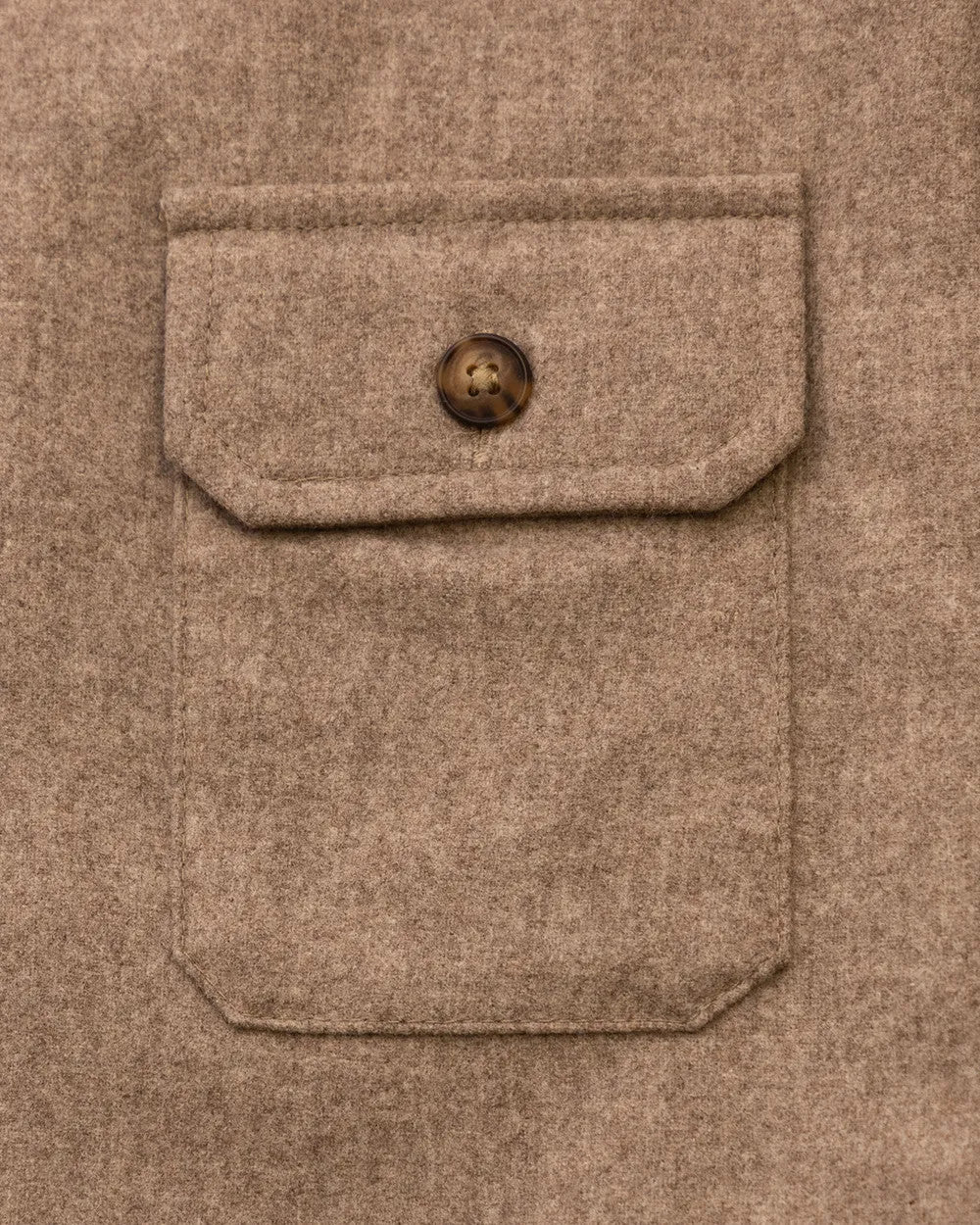
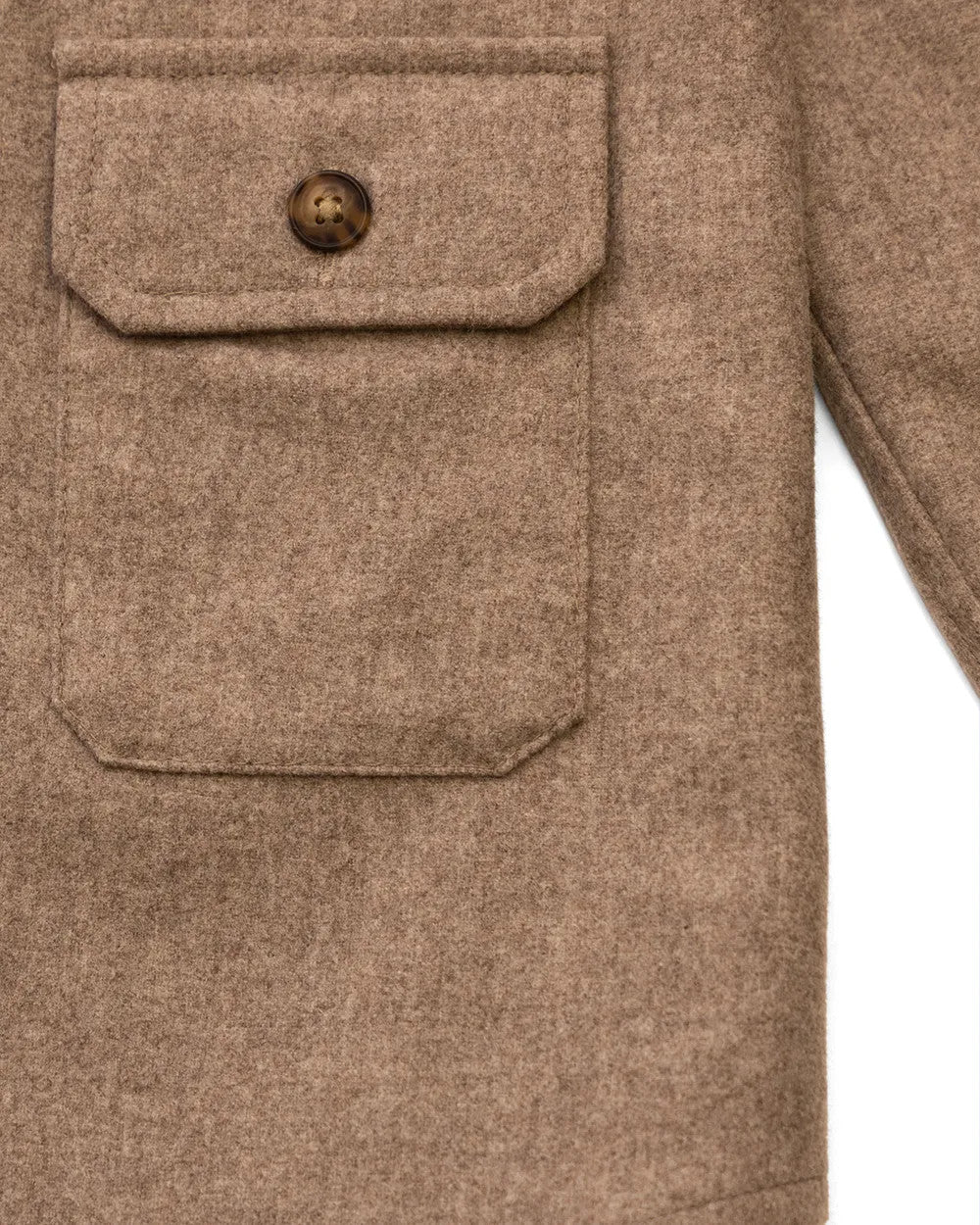
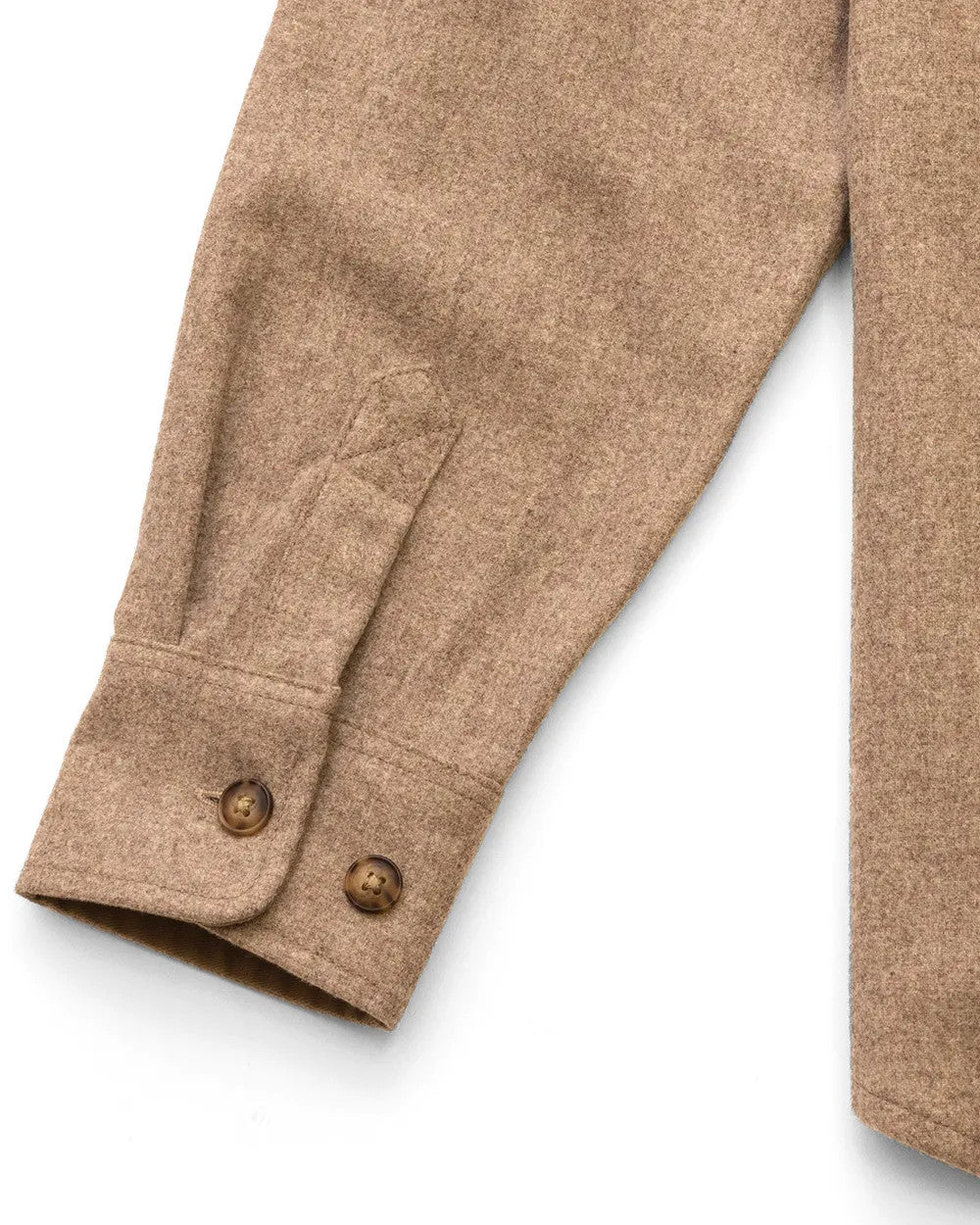
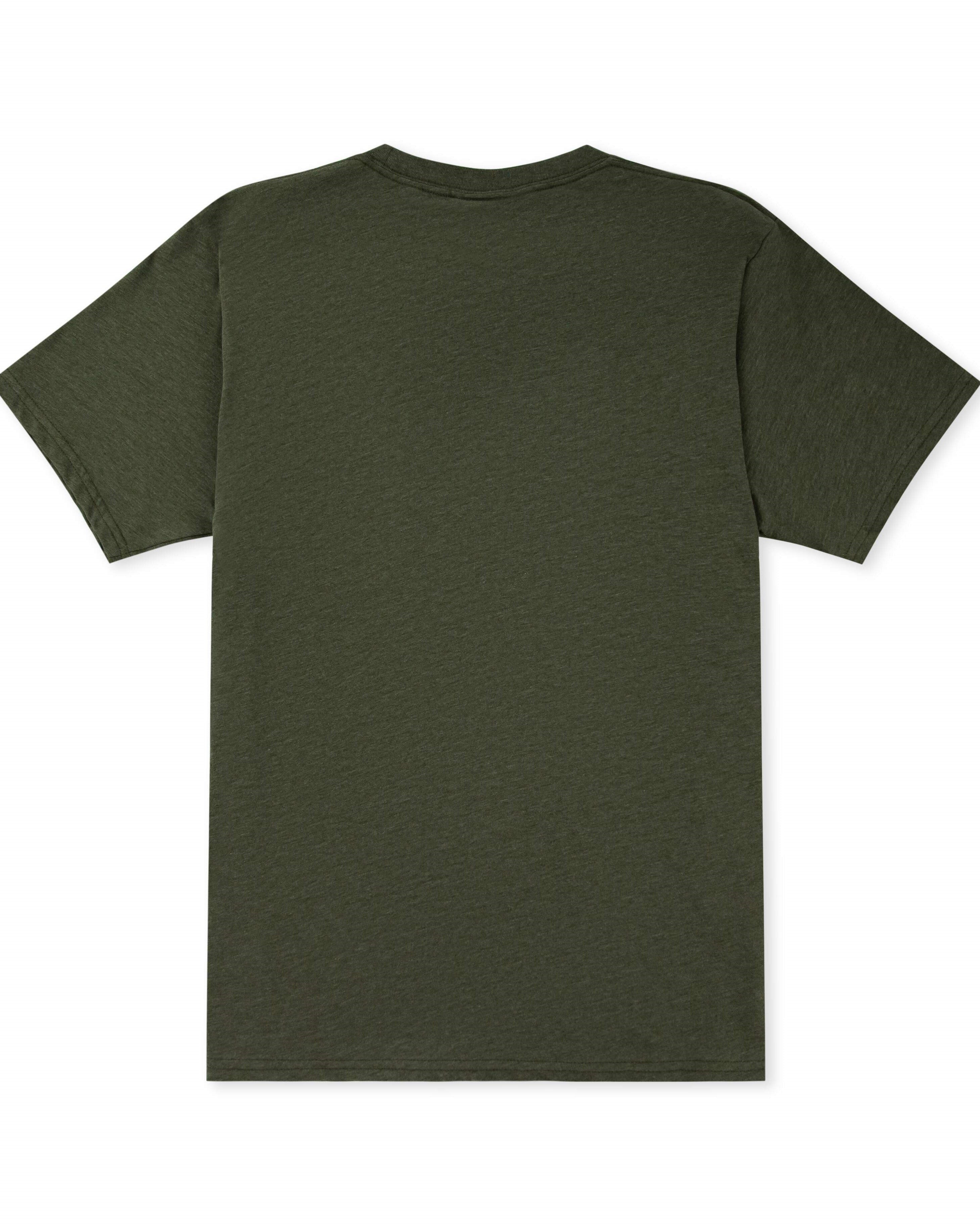
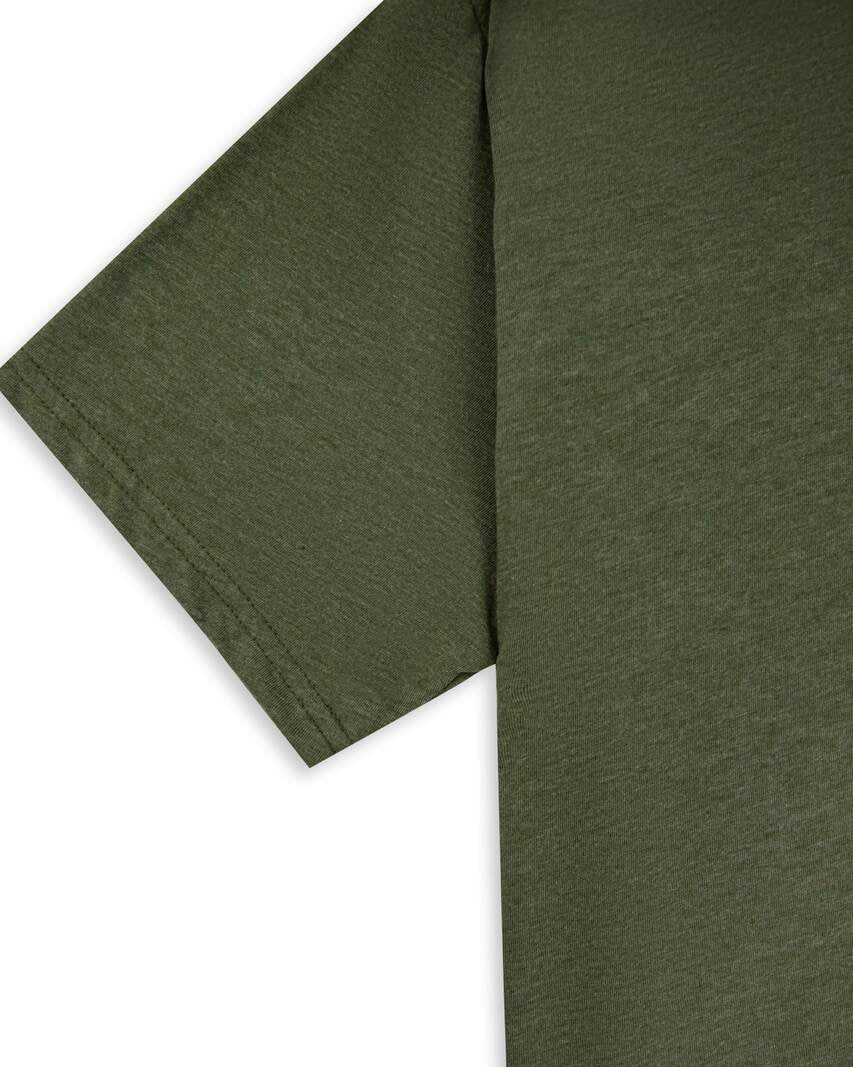
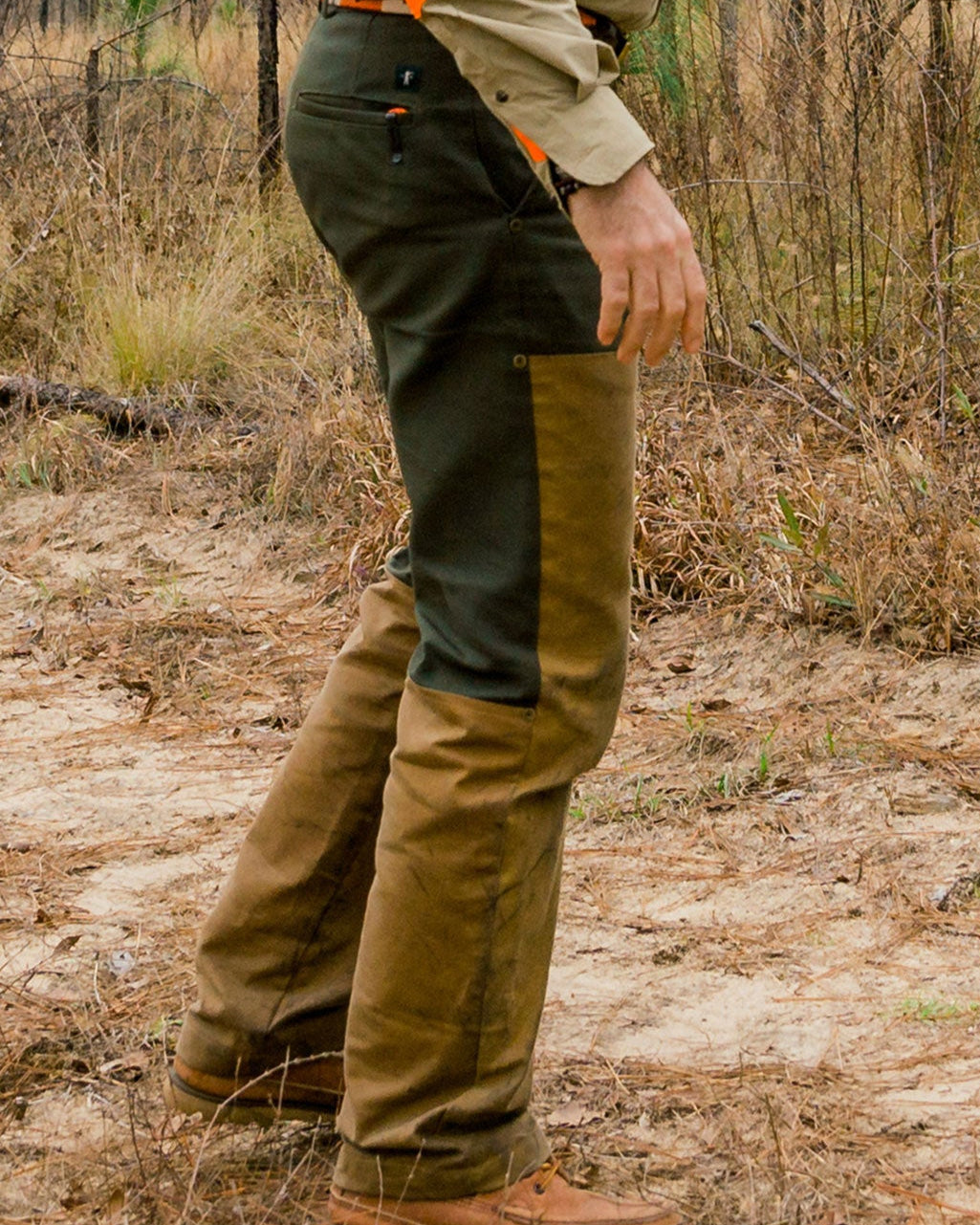
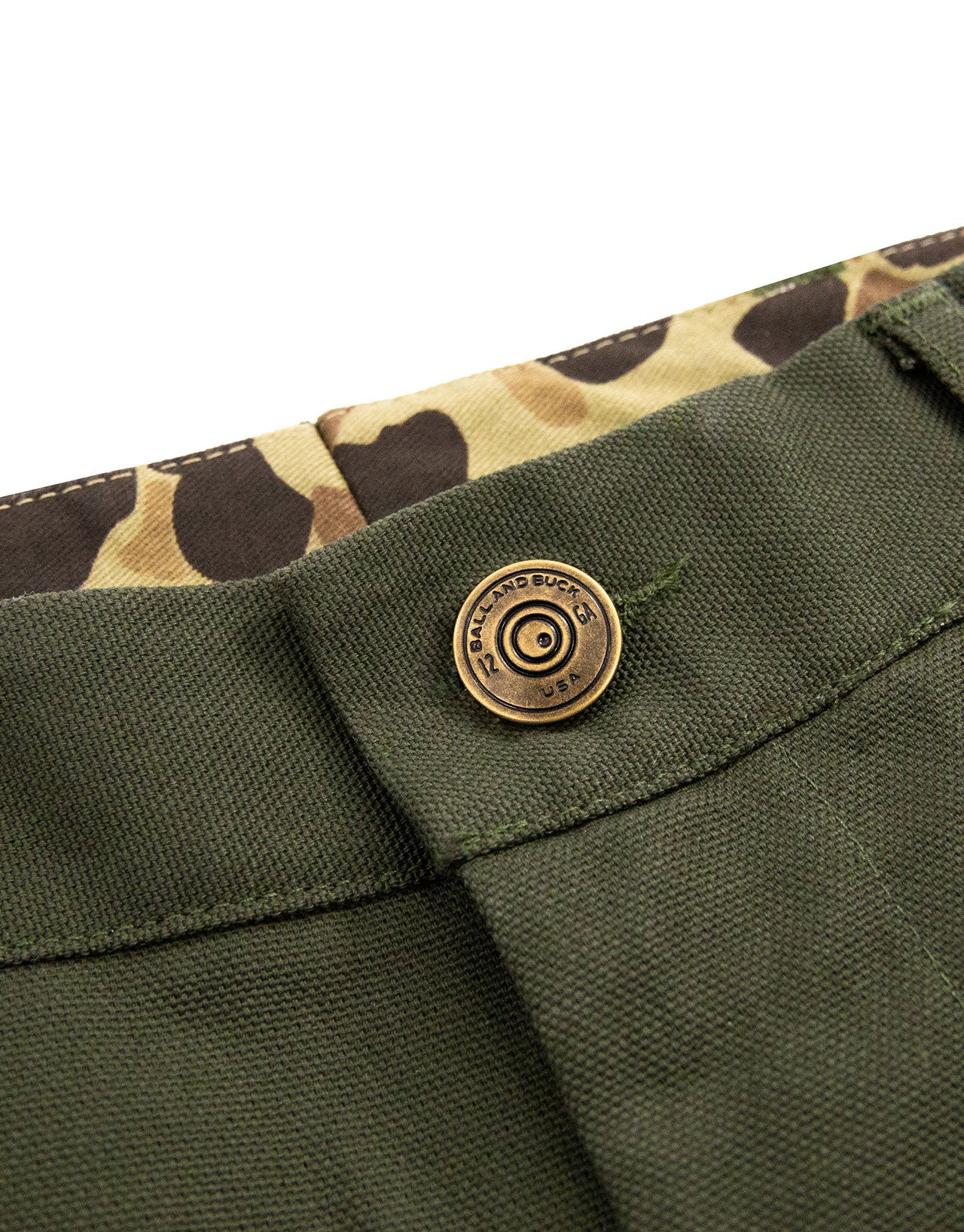
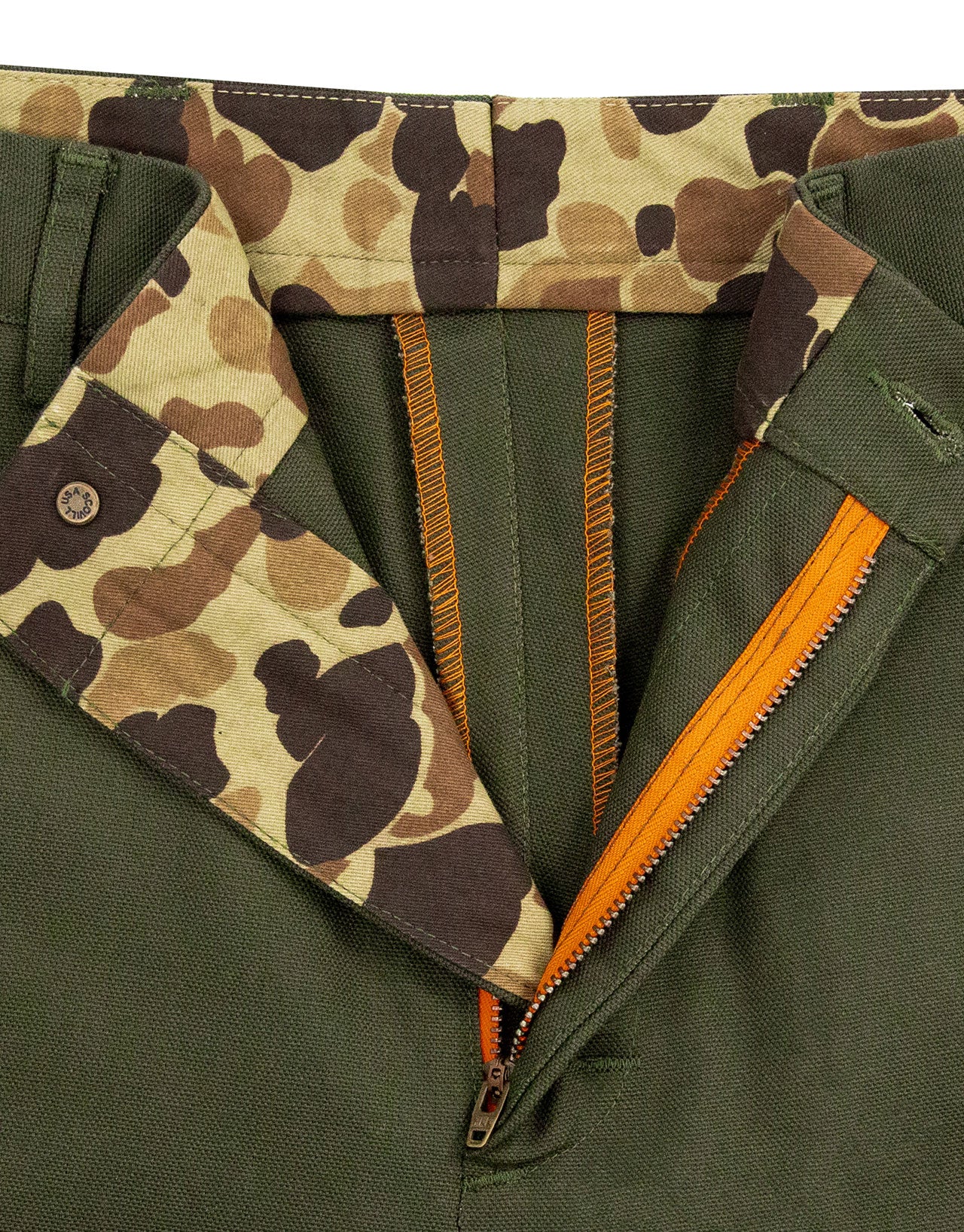
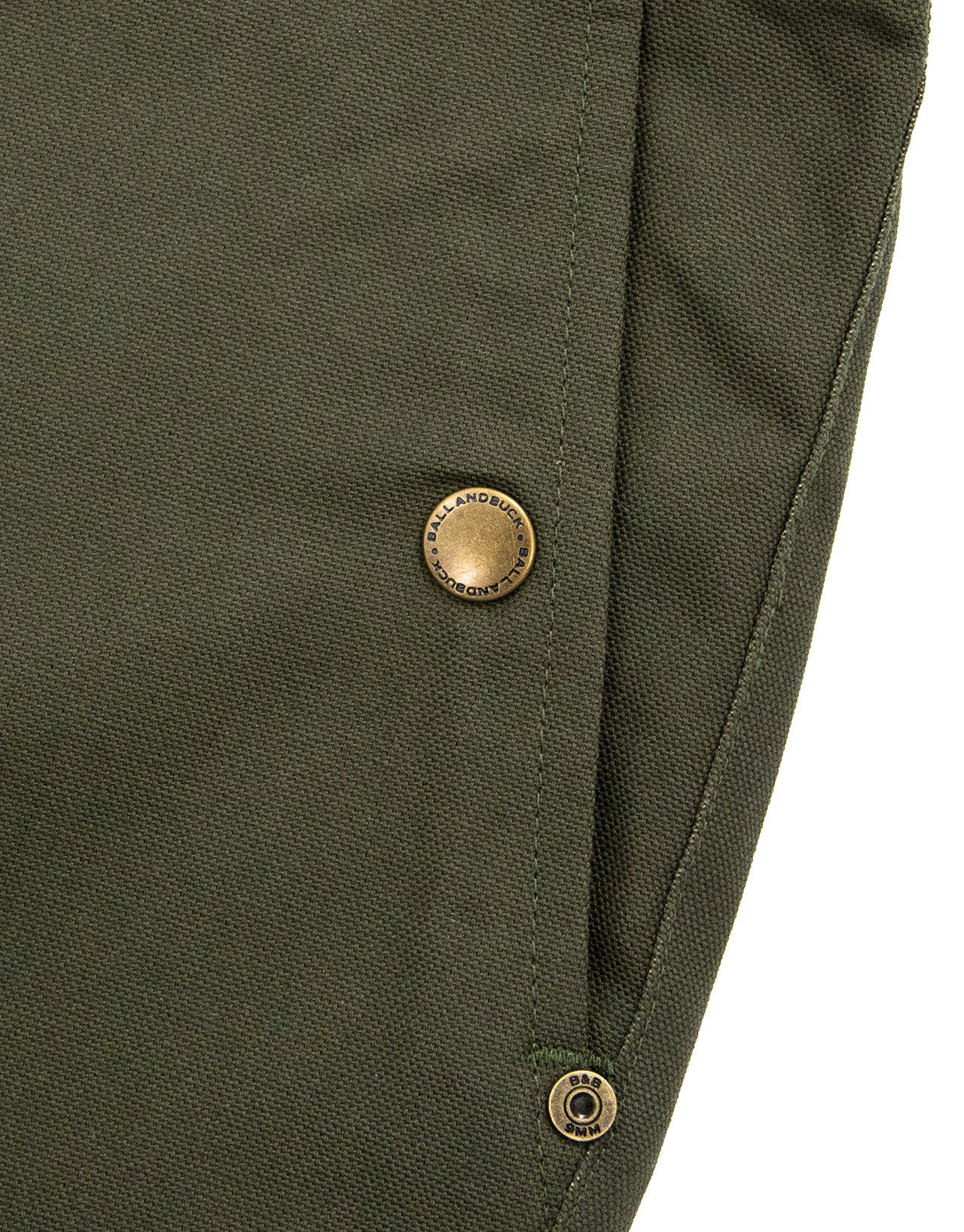
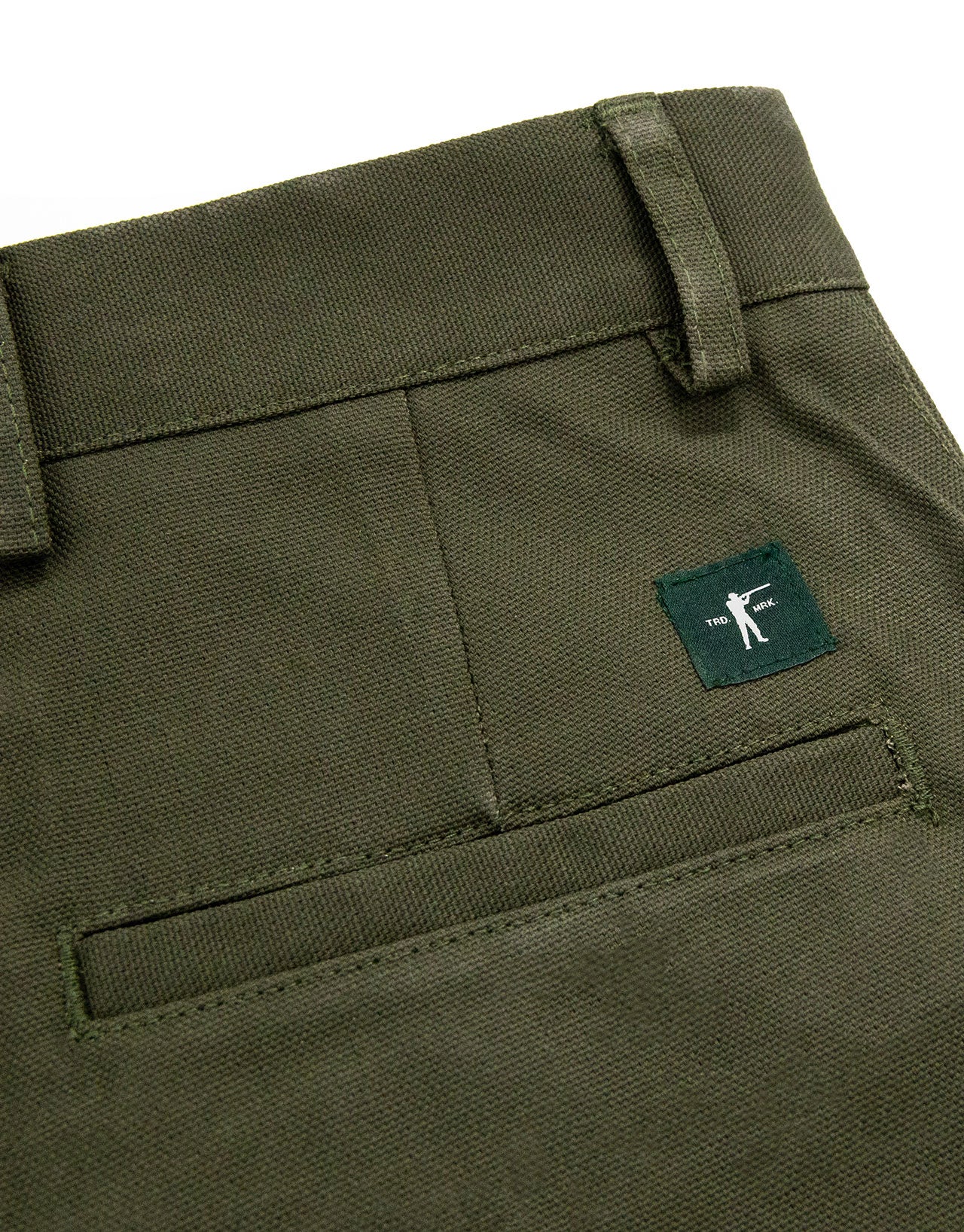
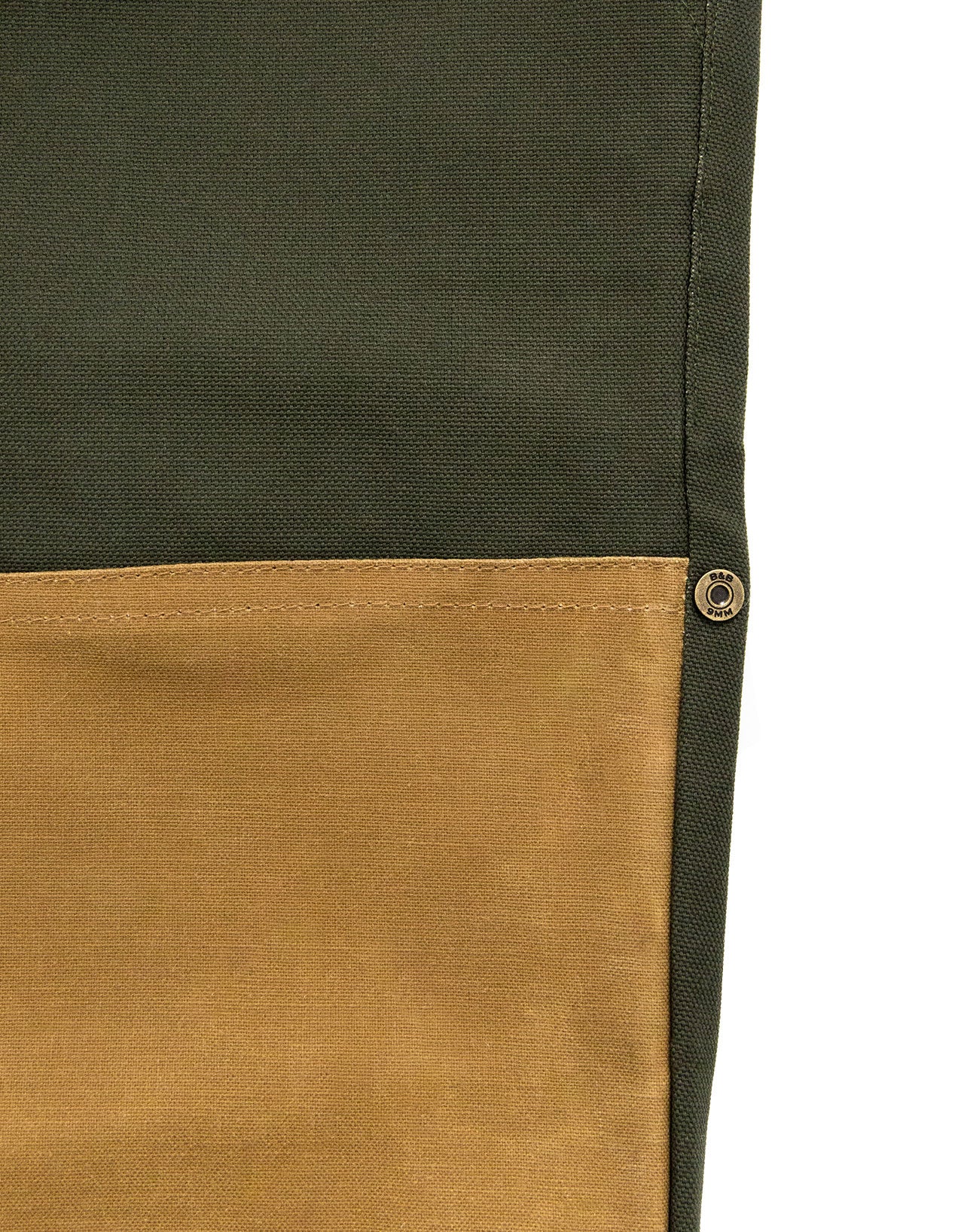
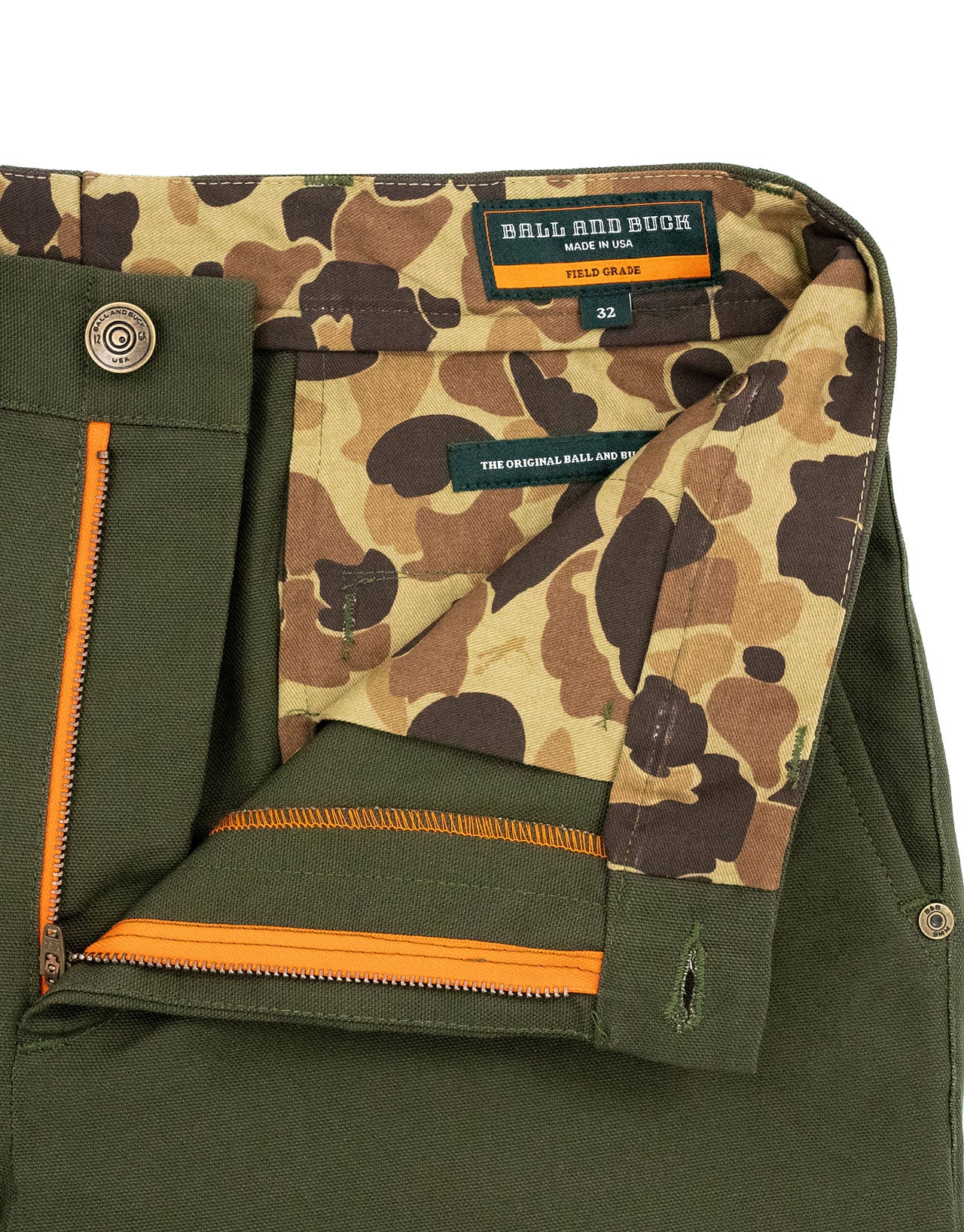
Heritage, as this brand understands it, is continuity under pressure. It is a way of doing things that has been tested in actual conditions (cold mornings, hard cover, fast water, long seasons) and proven worth doing again. It is the decision to build a garment the way a garment should be built, not the way a margin sheet suggests. It is stitching bar tacks at every stress point because the field does not forgive shortcuts.
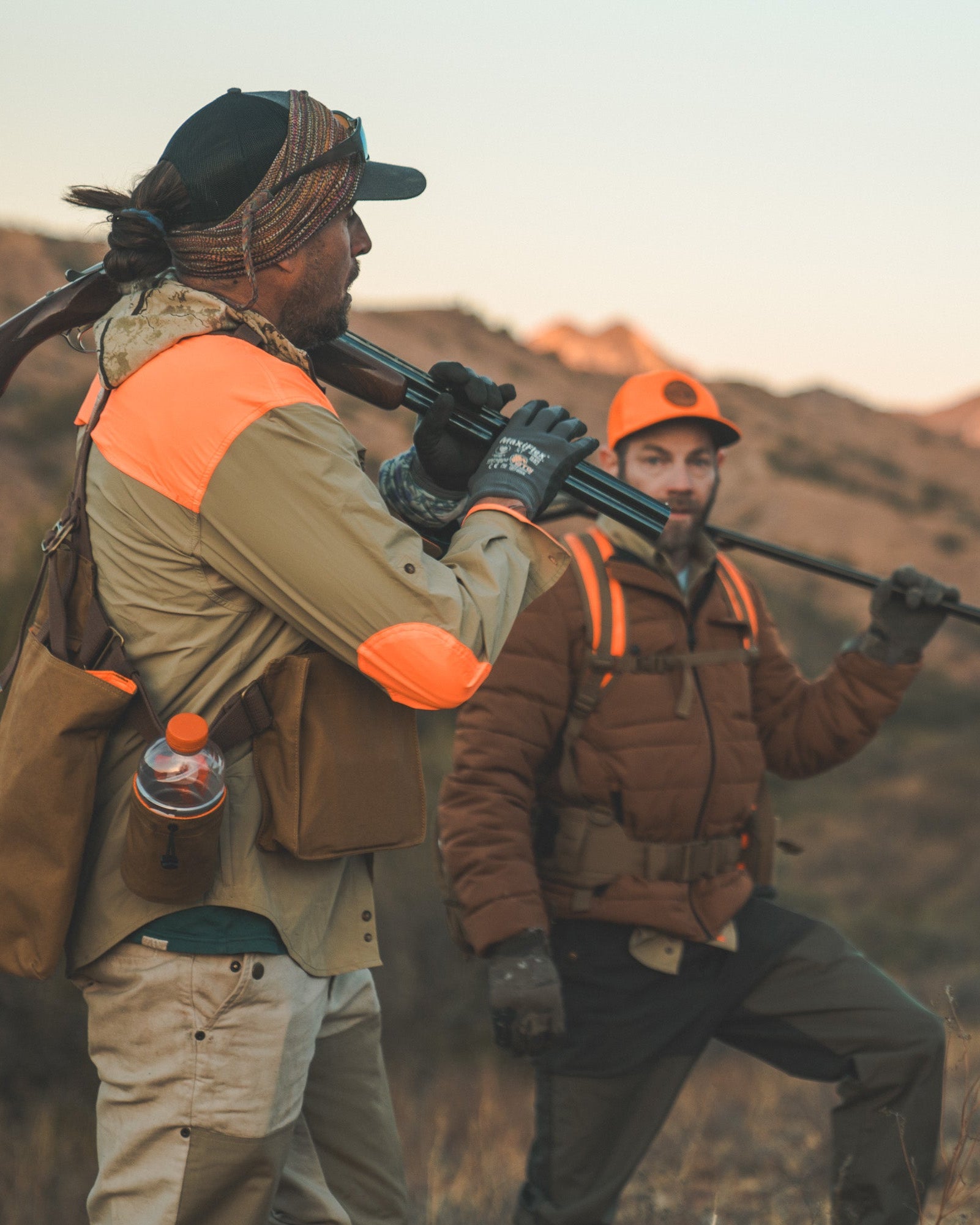
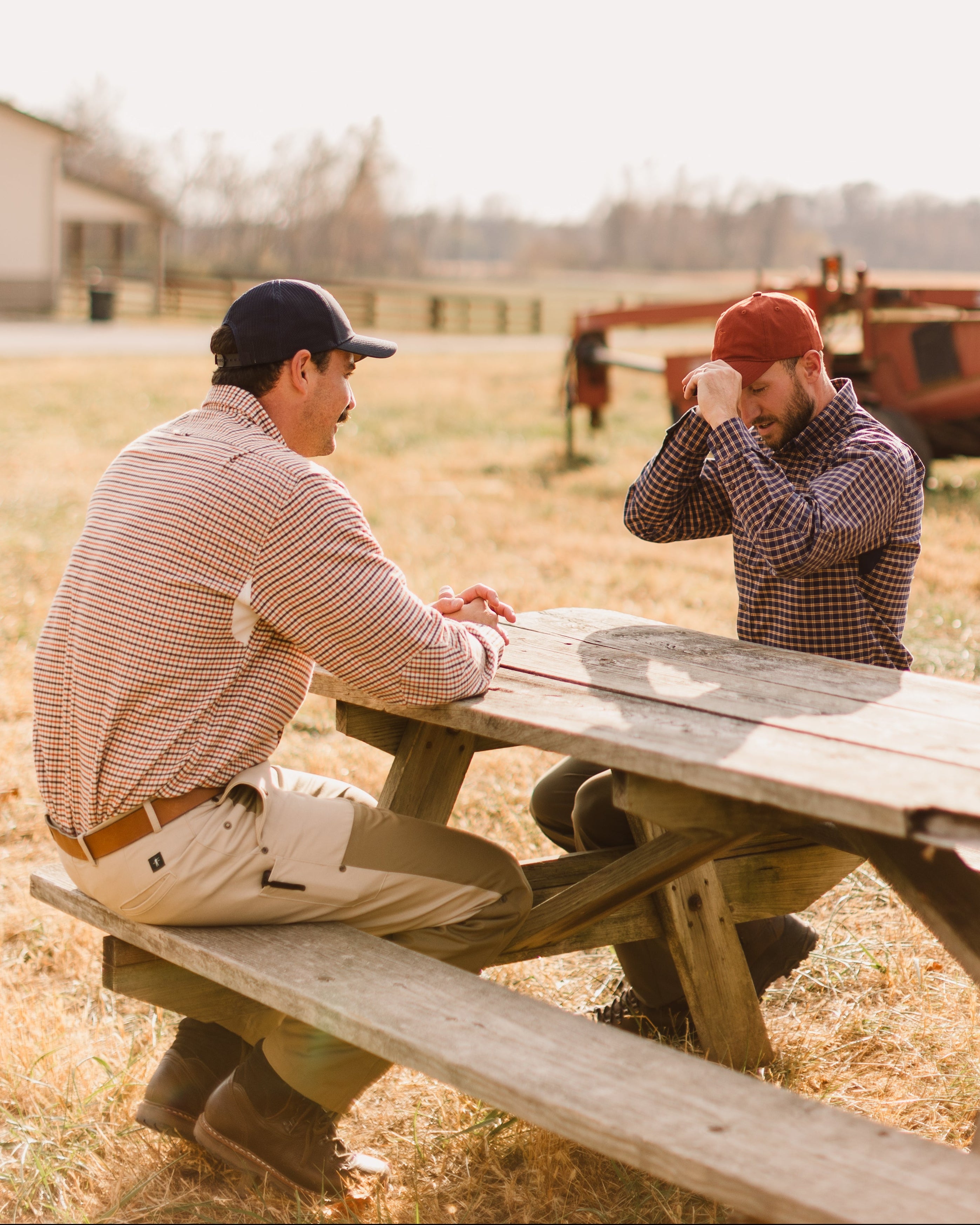
When Mark Bollman IV founded Ball and Buck, he wasn't opening a shop. He was making a declaration: that the American sporting life deserved gear built to its actual demands. That the culture of the upland hunter, the fly angler, the wingshooter, four generations deep in his own family, was worth preserving not just in memory but in material form.
Arthur Kleinpell, the brand's symbolic patron, understood this long before it needed to be said. He walked the same fields. He knew the same creeks. His gear was built to last because nothing else made sense.
Two hundred and fifty years of American outdoor identity traces a direct line from that understanding to this one.

Why This Moment is Worth Naming
America turns 250 this year.
That is a number worth sitting with. Not because of what it licenses: the flags, the commemorative runs, the anniversary editions. Rather, because of what it measures. Two hundred and fifty years of people who came to this country, or whose families survived within it, and found in the outdoors something that no institution could provide: honest consequence. The fish is there or it isn't. The bird flushes or it holds. The cast lands or it doesn't. The cover either holds birds or it was walked for its own sake, which is also enough.
That honesty, that accountability to actual conditions, is what the sporting tradition has always offered. It is not nostalgia. It is discipline. It is the practiced willingness to go out before you are sure it will be good and stay out past the point of comfort and come home having paid close attention to something larger than yourself.
Field Tested. Quality Proven. Pridefully Crafted.
The semiquincentennial is an occasion, not a product launch.
It is an invitation to take stock: of what the American land has offered, what the American sporting tradition has built, what the outdoor heritage passed from parent to child to grandchild to someone who had no predecessor in it but arrived at it by instinct and found it waiting.
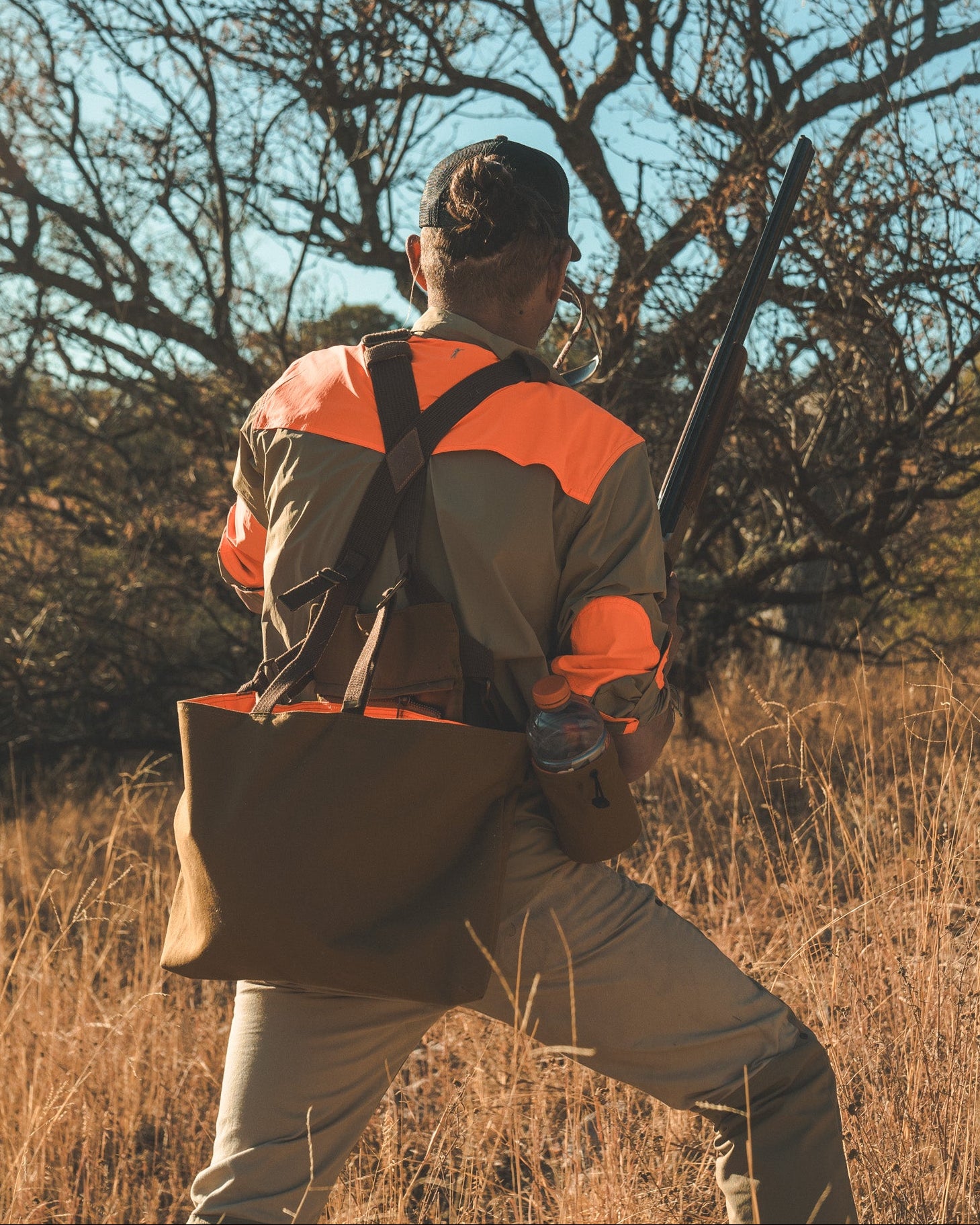
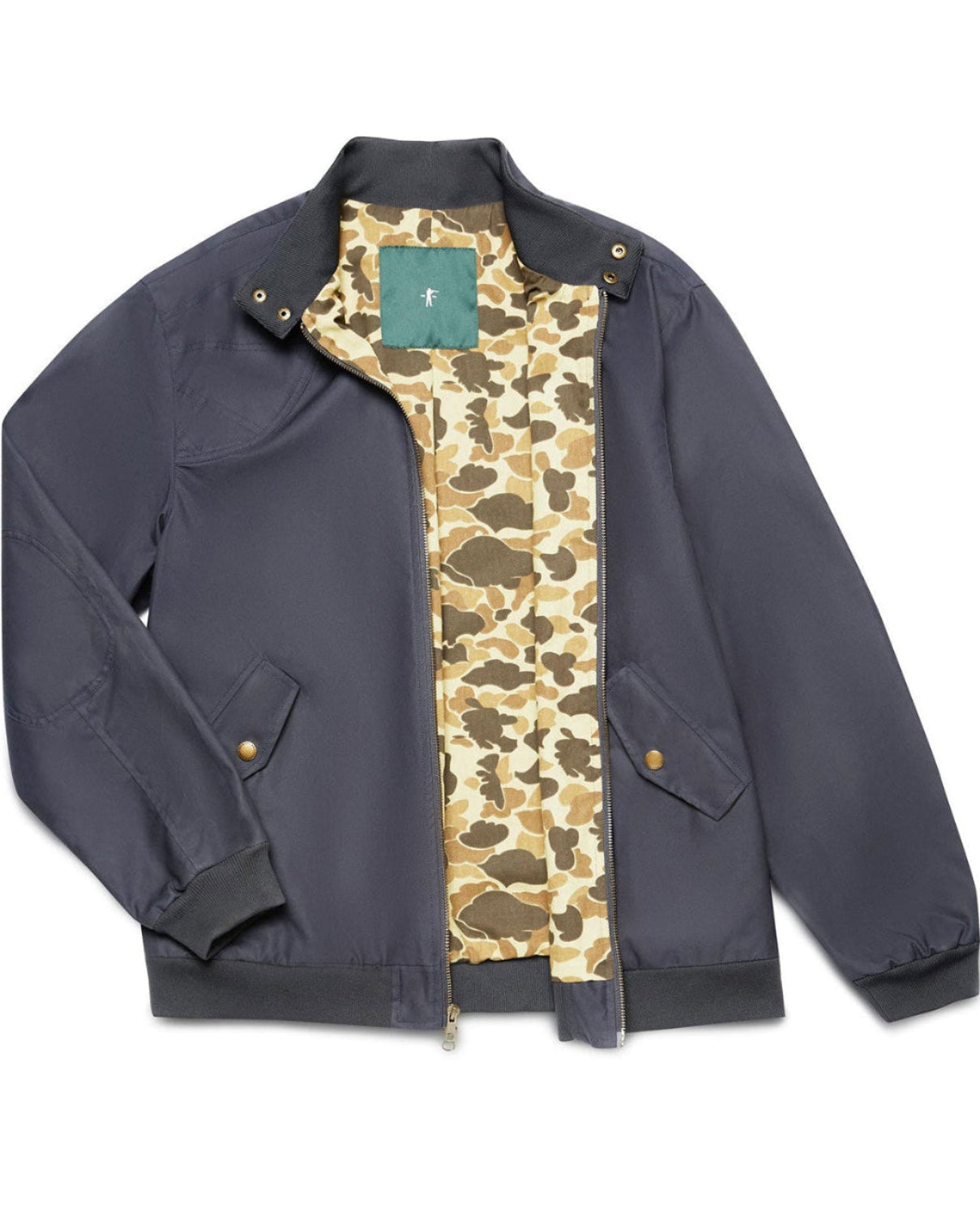
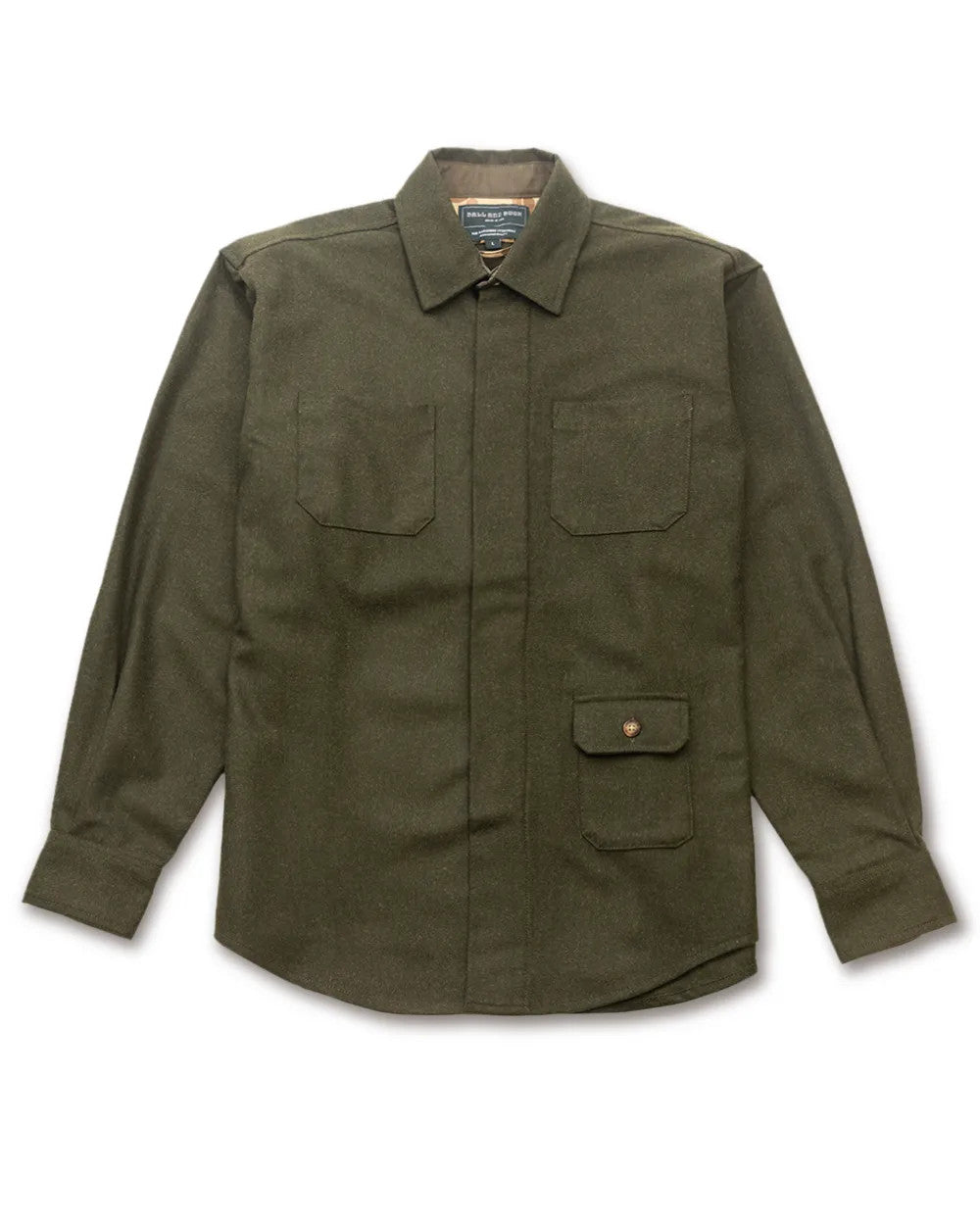
Ball and Buck marks this moment with garments built the way this land deserves. No shortcuts, no compromises, no expiration date. The gear that ships from this workshop this year will be in the field for decades. It will develop a history. It will carry the record of where it went.
That is the American promise, kept.